I am an Episcopal priest, liturgical creative, filmmaker, writer, musician, teacher and retreat leader. My itinerant ministry is devoted to religious imagination and holy wonder. My blog is a space where diverse ideas and perspectives - theology and culture, liturgy and spirituality, arts and religion - can meet and converse with one another.
Once upon a time, a brilliant storyteller came into the world to touch countless hearts with tales of wisdom and wonder, losing and finding, tears and laughter. She scattered her life-giving stories far and wide, and encouraged others to do the same. She knew the power of stories to bind us together, ground us in communal wisdom, and help us imagine better futures. Hers was a serious vocation in a world so forgetful of the stories we need, the stories that nourish, the stories that save. But she always lived out her calling with levity and lightness. Everyone who has known her remembers her laughter, her joy, her delight in daily blessings, her generous and irrepressible spirit. As she liked to put it, she was “subject to bursts of enthusiasm.”
Desert dawn at Angela’s house (December 17, 2024): Looking west, looking east.
A week before Christmas, master storyteller Angela Lloyd was up at dawn, photographing the beauty of the California desert sky. She posted two photos with a greeting to her friends: “Good morning. The view from here: looking west, looking east.” She loved sharing the beauty of her desert home. But sometime after that glorious morning she was taken ill, and not long after, on the twelfth day of Christmas, Angela departed this life. When I got the news today, the world felt suddenly washed with grey, bereft of her bright presence.
I came to know Angela nearly 40 years ago, when we worked together on creative retellings of Old Testament stories for the Easter Vigils at Christ Church, an Episcopal parish in Ontario, California. We both believed that God is not known through ink so much as through breath. Without the breath of a spirited teller, our sacred stories may lie dormant and listless.
After a few years we made a film of the stories, The Electronic Campfire: New Storytelling from Scripture. Angela took some of the parts (including that of God), while I took the rest. We shot the scenes in various southern California locations.
When I heard that Angela had died, I wanted to celebrate her giftedness by sharing her work in this film. While throughout her life she told many different kinds of stories from a variety of sources and traditions, our biblical collaborations do convey, I believe, a lively sense of the engaging spirit she brought to everything she did. I offer these clips in her memory.
On the third day of Creation, God creates plants and trees.
The first is the Creation story from the first chapter of Genesis. Instead of speaking the divine words for each of the seven days (“Let there be light,” etc.), God performs an action, since in the Bible God’s word is not just description of an action, but the action itself. For God, to say is the same as to do.
The Creation Story from The Electronic Campfire
Angela’s other stories in the film were the Red Sea and the Valley of the Dry Bones. In the first story, I play the Israelites, so you’ll see a bit of that as a lead-in to Angela’s performance of both Yahweh (God) and Miriam (Moses’ sister). The Dry Bones story is all Angela, including some of her riffs on the washboard. She improvised a line the Exodus tale which, in retrospect, sums up her life: “Let’s do it for the story.”
Red Sea & Dry Bones from The Electronic Campfire
At the Easter Vigil, there is a bidding to prayer after each story. Here are the words which follow the story of the Divine Breath that ceaselessly enlivens our “dry bones”—in this world and the next:
Dear People of God: There are those who tell our story as a history of defeats and diminishments, a narrative of dashed hopes and inconsolable griefs. But tonight we tell a different story, a story that inhales God’s own breath and sings alleluia even at the grave …
The sixth day: “Let us make humankind in our image.”
We did a number of Easter Vigils together, and Angela would always surprise me with a new variation. One time, playing an Israelite in the Exodus, she pulled out a postcard. “I was planning to mail this when we got to the Promised Land,” she said, “but something tells me I should mail it now. It may be a while before we get there. Besides, I’m starting to think that maybe anywhere can be the Promised Land, that even in this wilderness I am standing on holy ground.”
Thank you, dear Angela, for your marvelous stories, your enthusiasm, your joy, and so much more. There’s an old song by Jane Voss that salutes absent friends, and what the song says, that is what I say:
Wherever you may be tonight, I hope this finds your burdens light, Your purpose high, your spirit strong, I hope that you have got along— My song was lost and gone, if not for you.
I have been writing New Year’s Eve posts since I started this blog in 2014, reflecting on time and change, endings and beginnings, hope and dread, impermanence and possibility. If you are curious about the workings of hope in the best of times and the worst of times, follow the links in my post on the last day of 2023. But let me say a few things here and now.
On the eve of 2025, many Americans are finding it hard to celebrate the unfolding of a dubious future. The powers of negation are shamelessly eager to destroy the good and torment the vulnerable, both here and abroad. Their malice and corrruption have no apparent bounds. LIke poor Lillian Gish lying exhausted and unconscious on an ice floe in the silent movie classic, Way Down East (1920), we the people (also exhausted and to some degree unconscious) are being swept toward the waterfall of doom.
Lillian Gish in D. W. Griffith’s Way Down East (1920). Her hand suffered lifelong damage from the freezing river. In the movie, she is rescued just before going over the falls. Will the same go for us?
So Happy New Year, right? But as a friend declared on his Christmas card, “Hope is here—if we have eyes to see and hearts to respond.” Hope isn’t knowledge. It does its work before any outcomes are experienced. Who knows exactly how we will get through the coming year?
Since evil is the rejection of the co-inherence which is Love’s foundation—we are all in this together, part of one another—the toxic collection of so many egos dedicated to themselves alone may eat itself into oblivion. Or perhaps this time of trial will prove the refiner’s fire that burns away enough of our own sins and offenses to produce souls better fit for the human destiny of communnion and service revealed by the Incarnation. Or perhaps these awful times will ruthlessly strip away our false dependencies and hollow illusions until we are able to entrust ourselves wholly to Divine Mercy and nothing else. None of these options is a get-out-of-suffering card, but they are the kinds of things that clarify how real and urgent our faith, hope and love need to be these days.
This Christmastide, I’ve been re-reading Charles Williams’ “supernatural thriller,” War in Heaven, in which several malevolent individuals invoke demonic forces, not only to gain power but also for the perverse pleasure of destroying whatever is true and good. Their chief nemesis is an Anglican archdeacon, who endures their evil words and deeds with an extraordinary calm, rooted in his sense of the creative and loving God holding all things together. “This also is Thou” is one of Williams’ key phrases. Everything is pregnant with invisible reality, and souls may be won or lost in the most ordinary situations, words and gestures as they embody—or renounce—the Way of Love. Neither calamity nor chaos can shake the priest’s steadfast faith in an upholding, transcendent Presence. In the kind of dialogue only Williams could write, the Archdeacon declares,
“After all, one shouldn’t be put out of one’s stride by anything phenomenal and accidental. The just man wouldn’t be.”
Well, there we are. The evils of the coming days will be phenomenal and accidental. Though they will hurt, they will never be quite solid or real or enduring in the way that the Love, Justice and Mercy of God are, now and forever. We shall not remain silent about the damage, or complacent about the consequences of those evils. But we must not give them the power and glory which are God’s alone.
Weeping may spend the night, but joy will come in the morning (Psalm 30:6). In the meantime, may we rest securely in the One who makes all things new.
Marc Chagall, Noah’s Ark (detail), 1961-1966. Artists have typically painted the ark from outside, tossed by an angry sea. But Chagall shows the ark’s interior as an aquatic womb where hope is biirthed amid the storm. His head bent in prayer, Noah sends forth the dove as a sign of enduring faith and living hope.
Thank you to all of you who have read, pondered, commented, and shared my posts during the past year. Your own responses (shared or unshared) are why I write. I wish you great joy and real peace in 2025. Happy New Year! I’ll see you in January. I’m sure there will be lots to talk about.
The Rev. James K. Friedrich (right) on the set of Child of Bethlehem (1940).
For he is our childhood’s pattern; Day by day, like us He grew; He was little, weak and helpless, Tears and smiles like us He knew; And He feeleth for our sadness, And He shareth in our gladness.
— Cecil Frances Alexander, “Once in Royal David’s City”
My sisters and I each had an unusual childhood connection with the Nativity story. Our father, the Rev. James K. Friedrich, was the pioneer of Christian movie-making in America, and one of his first biblical films was Child of Bethlehem, produced in 1941. My sister Martha was a newborn child then, so she got to play the baby Jesus. Nine years later, my father made Holy Night, the first of a twelve-part series on the life of Christ. I was four years old at the time—much too old to get the leading role—so I was cast as a shepherd boy, entering the stable with several adult shepherds.
In the film, I have a dazed look on my face. I was literally blinded by the light on the Hollywood soundstage where the interiors were shot. Film stock in those days was not as light-sensitive as our camera phones. It required intense illumination to register a proper image. A big row of Klieg lights set up behind the manger threw such a blaze into my eyes that I could barely see the Holy Family. When I hear Luke’s gospel report that “the glory of the Lord shone all around” the shepherds, the indelible memory of those lights at Goldwyn Studios comes to mind.
James L. Friedrich (next to the donkey) at the manger in Holy Night (1949).
My oldest sister, Marilyn, never played in a Nativity film. Hers was a more literal reenactment. In 1936, my parents had stopped in Jerusalem during their honeymoon. In those days, as today, there was violence in the land, and they were warned not to go down the hill to Bethlehem in a car, because cars were easy targets for snipers. It was safer to ride a donkey to the place of Jesus’ birth. My dad recorded their pilgrimage with his 16mm movie camera, and now, every Christmas, I can watch the footage of my mother riding a donkey to Bethlehem, pregnant with her firstborn child.
To Marilyn’s credit, she has never made any personal claims about her origins, but there is, I believe, gospel truth in our childhood memories. Each and every one of us is called to play our part in the Nativity story, but not merely as witnesses like the shepherds or pilgrims like the Magi. God was made flesh so that our own flesh, our own story, may birth the divine intention and the divine life.
You see, the Incarnation isn’t only a matter of God wanting to share our humanity, to make our humanness part of the divine experience. It also reveals God’s desire that we in turn become partakers of the divine nature.
St. John put it this way in his gospel:
To all who received the Incarnate Word, who believed in his name, the Word gave power to become children of God, who were born, not of blood or of the will of the flesh or the will of human beings, but of God (John 1:12-13).
In the centuries that followed, this theme of theosis, or deification––becoming God-like––has pushed the envelope of anthropology by setting a very high bar for the definition of human potential.
In the early church, Irenaeus said that “God became what we are, in order to make us what he is.” Athanasius was even more explicit about the consequences of Incarnation, saying that “God became human so that humans might become God-like.” God-like! Can we even imagine this in our own day, when we are assaulted incessantly by news of human depravity.
Martin Luther, perhaps surprisingly for someone so focused on the burden of human sin, said we were all called to be “little Christs,” and in a Christmas sermon he described the Incarnation as a two-way street: “Just as the word of God became flesh,” he said, “so it is certainly also necessary that the flesh may become word. . . [God] takes what is ours to himself in order to impart what is his to us.”
In the 18th century, some of Charles Wesley’s great hymns were almost shockingly explicit about our capacity to contain divinity.
He deigns in flesh to appear, Widest extremes to join, To bring our vileness near, And make us all divine.
Heavenly Adam, life divine, Change my nature into Thine; Move and spread throughout my soul, Actuate and fill the whole; Be it I no longer now Living in the flesh, but Thou.
In the 20th-century, whose atrocities left our confidence in human potential badly shaken, the Catholic contemplative Thomas Merton could still claim that we “exist solely for this, to be the place God has chosen for the divine Presence. The real value of our own self is the sign of God in our being, the signature of God upon our being.”
And after his famous epiphany at the corner of Fourth and Walnut in Louisville, Merton said, “It is a glorious destiny to be a member of the human race, though it is a race dedicated to many absurdities and one which makes many mistakes: yet, with all that, [God’s own self] glorified in becoming a member of the human race.
“I have the immense joy of being [a human person],” he continued, “a member of a race in which [God’s own self] became incarnate. As if the sorrows and stupidities of the human condition could overwhelm me, now that I realize what we all are. And if only everybody could realize this! But it cannot be explained. There is no way of telling people that they are all walking around shining like the sun.”
Is this all this talk about divinization going too far? Could we really be walking around shining like the sun? Or at least have the potential for such glory, even if we’re not there yet? If the Nativity in Bethlehem means what I think it does, then the answer has to be yes.
On that wondrous night in Bethlehem, our nature was lifted up as the place where God chooses to dwell. We may still be works in progress, but we are bound for glory. St. Paul believed this when he said that “all of us, with our unveiled faces like mirrors reflecting the glory of the Lord, are being transformed into the image that we reflect in brighter and brighter glory” (II Cor. 3:18).
Another ancient theologian said, “As they who behold the light are within the light and partake of its brightness, so they who behold God are within God, partaking of God’s brightness.”
What happens in Bethlehem doesn’t stay in Bethlehem.
Adoration of the Christ Child, Flemish follower of Jan Joest of Kalkar (c. 1515)
On the Winter Solstice over 40 years ago, I was flying across the San Fernando Valley into L.A.’s Burbank airport on a brilliant December day. The noonday sun was low enough in the southern sky to be reflecting its rays off the surface of swimming pools running along a line parallel to our flight path. There are so many pools in the Valley, and each one, as it was struck by the sun, exploded with an intense dazzle of white light. In rapid succession, tranquil blue surfaces were transformed into momentary images of the sun’s bright fire. For me, it was a vision pregnant with the Christmas promise.
“They who behold the light are within the light and partake of its brightness.” Our pale mirrors are made to contain the most impossible brilliance. And though we have turned away from the Light, the Light seeks us out. No matter how shadowy the path we have taken, the Light will find us, and fill us with divine radiance. That is our destiny, says the Child in the manger. We may not feel capable or worthy or prepared to receive the Word into the flesh of our own lives, but it is what we were made for. Paradoxical as it may sound, partaking of divinity is the only path to becoming fully human.
A month before he died, Edward Pusey, a 19th-century English priest, wrote to a spiritual friend about our God-bearing capacity:
“God ripen you more and more,” he said. “Each day is a day of growth. God says to you, ‘Open thy mouth and I will fill it.’ Only long. . . The parched soil, by its cracks, opens itself for the rain from heaven and invites it. The parched soil cries out to the living God. O then long and long and long, and God will find thee. More love, more love, more love.”
Participating in divinity doesn’t mean having superpowers or being invulnerable. We won’t be throwing any lightning bolts. Just look at Jesus. His life tells you what “God-like” means. He was born in poverty and weakness, in a stable not a palace, and he lived a life of utter self-emptying and self-offering, giving himself away for the life of the world.
In a novel by the Anglican writer Charles Williams, a young woman goes to church with her aunt on Christmas morning. She is a seeker, not quite a believer, but as they sing a carol about the mystery of the Incarnation, she leans over and whispers to her aunt, “Is it true?” Her aunt, one of those quiet saints who has spent her life submitting to Love divine, turns to her niece with a smile and says simply, “Try it, darling.”
So if you want to try it, if you want to complete your humanity by partaking of divinity, there are many ways to do that. Weep with those who weep and dance with those who dance, the Bible says. Love God with all your heart, and your neighbor as yourself. Welcome the stranger, feed the hungry, free the captive. There are plenty of to-do lists out there. Here’s an excellent one from the Dalai Lama:
May I become at all times, both now and forever: A protector for all who are helpless. A guide for all who have lost their way. A ship for all who sail the oceans. A bridge for all who cross over rivers. A sanctuary for all who are in danger. A lamp for all who are in darkness. A place of refuge for all who lack shelter. And a servant for all those who are in need. May I find hope in the darkest of days, and focus in the brightest.
My friends, Bethlehem is not a dream fading away into the past. It is the human future. And this is not the morning after. It is the first day of the rest of our journey into God.
A sermon for Christmas Day at Saint Barnabas Episcopal Church, Bainbridge Island, Washington.
Extra! Extra! Read all about it. SUN GOES OUT! STARS FALL FROM HEAVEN! THOUSANDS FAINT FROM FEAR!
On the first day of the Christian Year, do we break out the champagne and shout “Happy New Year.” No we do not. What we say is, “The end is near!”
We don’t get all Fundamentalist about it. We don’t walk around wearing signboard warnings. We don’t declare a fixed date for the end of history. We prefer to keep our end time theology more metaphorical than literal. Worlds end all the time. Personal worlds. Public worlds.
Still, this year, from Gaza and Ukraine to Washington, D.C., the end of the world feels closer to being literal than any other time in my 80 years on the planet. To borrow some lines from W. H. Auden’s Good Friday poems, lately it feels as if the world we know has been “wrecked, / Blown up, burnt down, cracked open, / Felled, sawn in two, hacked through, [and] torn apart.”
For Christians, the end of the world should not come as a total surprise. Every gospel on the First Sunday of Advent includes a forecast of the apocalypse—the end of the world as we know it. It’s not that uncommon, actually. Who has not experienced apocalypse on a personal level—the exit from childhood, the loss of a job or a loved one, a scary diagnosis? And throughout history, apocalyptic episodes have periodically disrupted the stability of humanity’s collective life: the fall of empires, economic crashes, military invasions, revolutions, authoritarian nightmares, environmental crises, and the like.
In the Humphrey Bogart movie, Beat the Devil, a ship is floundering on a stormy sea. In his typical wise-cracking manner, Bogie says to a panicky passenger, “What have you got to worry about? We’re only adrift on an open sea with a drunken captain and an engine that’s liable to explode at any moment!”
A crewman chimes in: “Perfectly ordinary situation. It happens every day.”
Like it or not, we’re all on board that sinking ship at the close of 2024, praying desperately with the Psalmist, “Save me, O God! The water has risen up to my neck; I’m sinking into the mire” (Psalm 69:1-2) Perfectly ordinary situation. It happens every day.
Angel blowing the 2nd trumpet as the sea swallows ships and sailors (Revelation 8:8). The Apocalypse Tapestry of Angers (1373-1382). Photograph by the author.
When I was younger, I had a crushing experience of my personal world coming undone. A spiritual director summed up my situation as being washed overboard into a wild sea, where I’m flailing to keep my head above water.” “Sounds about right,” I said mournfully. “Well, congratulations!” he told me. “You’re exactly where you need to be.” I had to laugh at the aptness of his metaphor. My apocalypse had indeed revealed the unsustainability of my former state, even as it hurled me into the formless chaos from which my new world would be born.
Saint Michael weighing souls (c. 1180), Saint-Trophime, Arles, France. Photograph by the author.
Apocalypse can be an unwelcome judgment on the way things are. It weighs the world in the scales of justice and finds it wanting. The judgment is not punitive, simply accurate. As a 14th-century English poem on the end of the world put it, the apocalypse judges “without revenge or pity.” It just tells it like it is. Still, it’s a hard thing to face the truth about our flawed condition. However, the end of an old reality can also be life-giving, freeing us to discover a better version of self and world.
But where can we put our feet when the ground is crumbling beneath us? We stand on God’s word, God’s promise, God’s hope. “Heaven and earth will pass away,” Jesus says, “but my words will not pass away.” Let the Savior’s words guide us. Let them encourage us. As he told his disciples,
“When the chaos comes, keep your heads high and stand your ground. Your liberation is on its way. Don’t be distracted by thoughtless living, or get weighed down with worry,” he says. “Be alert at all times, and pray that you’ll have the strength to get through all this craziness.” [i]
This is my 55th year of preaching in Advent. It’s my favorite season, so rich with resonant and stirring themes: endings and beginnings, light and darkness, waiting and preparing, watching and hoping, expectation and, in the end, marvelous birth. But this year Advent feels decidedly more urgent and more serious to me than ever before. We aren’t just reading about a people who sit in darkness. We are those people.
We could weep and moan about being stuck in this particular moment in history. But what if the Lord of history is telling us, “Congratulations! You are just where you need to be—in the wild baptismal sea of rebirth. Come, take up your cross. Following me is about to get really real and really intense. Costly? Yes. Suffering? Yes. Dying? Yes. Rising? Yes! Start to live the risen life like you mean it!
Okay, Lord. But what exactly is that going to entail? This question came up when I ran into friend from church on the ferry last week. “What are we supposed do if they begin to round up the most vulnerable in our midst?” she asked. “Join hands to block their way with our bodies?” The strangeness of such a hypothetical even being asked in our peaceful corner of the world prompted a helpless shrug.
Seeking some guidance from my library, I pulled out a book published a few years ago: The Year of Our Lord 1943: Christian Humanism in an Age of Crisis. The author, Alan Jacobs, examins the responses of Christian intellectuals to the violent chaos of the Second World War. What did some of the most articulate of God’s friends have to say about being faithful in a dark and dangerous time?
When the war broke out in 1939, Anglican poet W. H. Auden put the case bluntly: We must love one another or die. A year later, he wrote New Year Letter(January 1,1940), a long poem considering “what is possible and what is not” in such a time.
Most of the poem is addressed to Elizabeth Mayer, a supportive maternal figure who was a key source of peace and happiness in Auden’s life.
We fall down in the dance,” he wrote. “We make The old ridiculous mistake, But always there are such as you Forgiving, helping what we do. O every day in sleep and labour Our life and death are with our neighbor.
In other words, we are all in this together. The end of New Year Letter is addressed to God, asking for divine help in making a better world, since we humans are too muddled to do it on our own.
“Send strength sufficient for our day,” he wrote. “And point our knowledge on its way.”[ii]
His friend C. S. Lewis worried about the Church endorsing the violence in its prayers. On September 10, 1940, he wrote to his brother, “In the litany this morning we had some extra petitions, one of which was ‘Prosper, O Lord, our righteous cause.’ I ventured to protest against the audacity of informing God that our cause was righteous—a point on which He may have His own view.” [iii]
Lewis preferred the wartime collect of Thomas Cranmer, the Archbishop of Canterbury who made the first Book of Common Prayer. During hostilities with Scotland in 1548, Cranmer wrote this extraordinary collect:
“Most merciful God, the Granter of all peace and quietness, the Giver of all good gifts, the Defender of all nations, who hast willed all men to be accounted as our neighbours, and commanded us to love them as ourself, and not to hate our enemies, but rather to wish them, yea and also to do them good if we can: … Give to all us desire of peace, unity, and quietness, and a speedy wearisomeness of all war, hostility, and enmity to all them that be our enemies; that we and they may, in one heart and charitable agreement, praise thy most holy name, and reform our lives to thy godly commandments.” [iv]
In other words, in times of conflict, Christians must take care not to mirror the violence we oppose. We must find a way toward peace and reconciliation. But what if there are no good choices available?
The German theologian Dietrich Bonhoeffer knew how bitter conflict corrodes the human heart. In a 1942 letter to fellow members of the German resistance, he wrote:
“Unbearable conflicts have worn us down or even made us cynical. Are we still of any use? We will not need geniuses, cynics, people who have contempt for others, or cunning tacticians, but simple, uncomplicated and honest human beings.” [v]
In the desperate hope of derailing the Nazi horror, Bonhoeffer reluctantly joined a conspiracy to assassinate Hitler. The plot failed and he was executed for his role in it. A new film about him depicts him going to the gallows confident in his own purity of heart, but the fact is he never stopped feeling guilty for his participation the way of violence. He felt corrupted by the whole milieu of bloody conflict: shooting, wrecking, bombing—none of it is untainted by evil.
Simone Weil, French philosopher and activist, agreed that everyone is a victim of war. No one involved in the application of force escapes its toxicity. “To the same degree,” she said, “though in different fashions, those who use it and those who endure it are turned to stone.” When the Second World War started, Weil warned that
“We should not think that because we are less brutal, less violent, less inhuman than those we are confronting, we will prevail.” We must find a way, she insisted, to exercise the opposing virtues.
In late 1942, when Weil was working in the London office of the French Resistance, she proposed a plan to parachute hundreds of white-uniformed nurses onto battlefields, not only to tend to the wounded but also to provide an image of self-sacrificial goodness in the midst of cruelty and violence. She herself wanted to be in the first wave of this non-violent invasion. In submitting her plan to the Free French authorities, she made a visionary argument:
A small group of women exerting day after day a courage of this kind would be a spectacle so new, so significant, and charged with such obvious meaning, that it would strike the imagination more than any of Hitler’s conceptions have done.” [vi]
Charles de Gaulle thought her quite mad, and her plan of course went nowhere. But her saintly resistance to the application of force was a bright candle in the wind of war.
I am moved by all the stories of faithful people trying to follow the light in an age of shadows. Their wsdom can guide us. Their endurance can encourage us.
Now saintly virtues may not be the way of the world, but as Thomas Merton liked to say, we are not called to be successful. We are called to be faithful. “Perfect hope,” he wrote, “is achieved on the brink of despair when, instead of falling over the edge, we find ourselves walking on air.” [vii]
Remember those old Sherlock Holmes movies with Basil Rathbone> In 1942, when the outcome of the war was still uncertain, Universal Studios modernized Holmes, recruiting the Victorian detective for the war effort in Sherlock Holmes and the Voice of Terror. After a successful takedown of Nazi spies, Holmes and Watson walk to edge of Dover’s cliffs to gaze across the English Channel. Watson begins the conversation that concludes the film:
—“It’s a lovely morning, Holmes.” —“There’s an east wind coming, Watson.” —“Oh, I don’t think so. It looks like another warm day.” —“Good old Watson. The one fixed point in a changing age. There’s an east wind coming, all the same. Such a wind as never blew in England yet. It will be cold and bitter, Watson. And a good many of us may wither before its blast. But it’s God’s own wind, none the less. And a greener, better, stronger land will lie in the sunshine when the storm has cleared.”
That bit of wartime propaganda, pep talk for a battered nation, came to mind as I pondered on today’s apocalyptic theme. “A cold and bitter wind … many of us may wither before its blast.” An accurate forecast. But beyond that, a glorious spring, when a “greener, better, stronger land will lie in the sunshine.”
God, bring that day closer. In the meantime, we pray with Emily Dickinson (#131):
Grant me, O Lord, a sunny mind— Thy windy will to bear!
So—How exactly do we cultivate a sunny mind in a gloomy time? We’ve all been working that problem this fall. Over the past month, I’ve found myself focusing on three spiritual practices: Do not let your hearts be troubled … Don’t get lost in the dark … Remember beauty.
First thing:Do not let your hearts be troubled. Step away from the screen. Don’t obsess on worst case scenarios, fretting over every potential bad outcome. There are too many to count, and it will only discourage and exhaust you. Sufficient unto the day is the evil thereof.
As Palestinian-American poet Naomi Shihab Nye reminds us, we must “Break the Worry Cocoon”—
To live with what we are given— graciously, as if our windows open wide as our neighbors’, as if there weren’t insult at every turn. How did you do that? …
How did you survive so much hurt and remain gracious, … how did you believe, then and forever, breaking out of the endless worry cocoon, something better might come your people’s way? [viii]
Second thing: Don’t get lost in the dark. Don’t get mesmerized by the horror. Evil is like Medusa’s face. Gaze too long and you turn to stone. How do we hate hate without becoming hateful ourselves? The rage provoked by repugnant beliefs, bad behavior and delusional assertions can become addictive. It feels good to denounce the deplorable scoundrels. It’s even entertaining to watch others do it. We think we are resisting evil, but our hate only serves to feed the beast.
Third thing:Remember beauty.
During the American Civil War, landscape painting was very popular. It offered tranquil scenes of an American Eden, unspoiled by the tragedies of history. There wasn’t the slightest hint of the violence raging in the land. When I was looking through reproductions of those works the other day, I was particularly struck by Alfred Thompson Brecher’s “Up the Hudson.” The broad river is absolutely still. The misty atmosphere glows with amber light. One tiny figure drifts quietly in his canoe. It is a picture of absolute calm and peace. I was taken by its beauty, but what really hit me was the year it was painted: 1864, the same year the painter’s brother died in one of the war’s bloodiest battles.
Alfred Thompson Brecher, Up the Hudson (1864).
And I wondered: Did Brecher paint it before or after he got the terrible news? I’d like to think it was after, as if the artist were resisting despair by pledging his allegiance to the harmonizing beauty of God’s creation, a beauty that transcends every evil.
Remember beauty. In October, 1967, 100,000 people gathered at the Lincoln Memorial in the nation’s capital for the first national demonstration against the war in Vietnam. I was there with a number of fellow seminarians. There were speeches and songs during the day, but around sunset about half the crowd marched across the Potomac to the Pentagon, which was surrounded by soldiers in gas masks holding rifles with fixed bayonets. They stood frozen like statues when young women stuck flowers in their gun barrels. I had a camera, and took some dramatic closeups of the soldiers.
Paratroopers guard the Pentagon during the first national protest against the war in Vietnam (Octobver 21, 1967). Photograoph by the author.
As the evening progressed, tensions grew, and a riot broke out, with lots of tear gas and hundreds of arrests. But I missed all that violence, because I had left early in order see the full moonrise over the reflecting pool in the National Mall. It was absolutely beautiful. I still have the photograph.
The full moonrise at the National Mall in Washington, D.C., on October 21, 1967. Across the Potomac at this moment, demonstators are clashing with paratroopers at the Pentagon. Photograph by the author.
On that day I had done my part in a public witness for peace; but when night came, the very best thing I could do was to notice the beauty of the moonrise. I like to think that both those things got recorded in the Book of Life. Come, labor on; but don’t forget the Sabbath moments.
Dear friends in Christ, let us cast away the works of darkness and put on the armor of light. Keep the faith. Fear not. Embody hope. Love one another. Trust divine intention. This is the holy work God has given us to do.
A few hundred years ago, Turlough O’Carolan, the blind harper and last of the Irish bards, was sitting in a tavern with his friend, the poet Charles McCabe. McCabe said, “Your music, sir, is grand and lovely stuff, but too light-hearted. This is a dark time we live in, Mr. Carolan, and our songs should reflect that.”
And the harper replied, “Tell me something, McCabe. Tell me this: Which do you think is harder—to make dark songs in the darkness, or to make brilliant ones that shine through the gloom?” [ix]
Provencal moon. Photograph by the author.
A homily for the First Sunday of Adven at Saint Barnabas Episcopal Church, Bainbridge Island, Washington.
The images of the Apocalypse are from the Tapestry of the Apocalypse in Angers, France. Originally 140 meters long, over time it has been reduced by a third. Woven in the late 14th century, it offers spectacular illustrations of the Book of Revelation.
[v] Dietrich Bonhoeffer, “After Ten Years” in Letters and Papers from Prison (Minneapolis: Fortress Press, 2010). Translated by Barbara and Martin Rumscheidt.
[vi] Simone Weil, quoted in Robert Zaretsky, The Subversive Simone Weil: A Life in Five Ideas (Chicago: University of Chicago Press, 2021), 155.
[vii] Thomas Merton, No Man Is an Island (206), q. in The Thomas Merton Encyclopedia (Maryknoll, NY: Orbis Books, 2002), 213.
[viii] Naomi Shihab Nye, “Break the Worry Cocoon,” Voices in the Air: Poems for Listeners (New York: Greenwillow Books, 2022), 96-97.
[ix] From the play, O’Carolan’s Farewell to Music by Patrick Ball and Peter Glazer, on the California Revels CD, Christmas in an Irish Castle (2001).
Anonymous, The Descent from the Cross (detail), German c. 1500.
The evil and the armed draw near; The weather smells of their hate And the houses smell of our fear.
— W. H. Auden, For the Time Being
“ … because all you of Earth are idiots!”
— Plan 9 from Outer Space (Ed Wood, 1957)
How bad is it, anyway? In the first hours of the new Amerika last Tuesday, the original Planet of the Apes (1968) came to mind. Finding a half-buried Statue of Liberty on a deserted beach, space-and-time traveler Charlton Heston realizes he has not landed on some distant planet, but on his own earthly home, where humanity has evidently committed nuclear suicide. Literally pounding the sand, he cries out to his long-vanished fellow mortals, “You really, finally, did it! You maniacs! You blew it up! Damn you! God damn you all to hell!”
A ruined earh: The final image of Planet of the Apes (1968).
In the Year of our Lord 2024, a decisive majority of Americans have chosen to blow up democracy, the rule of law, the common good, civil liberty, women’s rights, health care, international stability, public sanity, and our last hopes of staving off climate apocalypse. Did they know what they were doing? I confess to zero interest in their motivation at this point. Their decision, measured by its inevitable consequences, was neither rational nor moral. The harm it will do is immeasurable. Even if they thought they were trying to make a point about their personal economic pain, the mad embrace of a fascistic, unstable sociopath and the MAGA dream of demolishing the American experiment—not to mention the livability of our planet—will impose a price none of us can afford.
The American minority, meanwhile, has spent the past week trying to cope with the shock and the horror of the Antichrist’s second coming (I use that name not in a mythical sense, but in a moral one, describing the Trump who in every respect is against the way of Jesus).
Some have engaged in second-guessing the Democratic campaign, as if putting the argument differently could have penetrated the thick shields of delusion and hate erected by right-wing propagandists and their carefully crafted algorithms. Some have sought comfort in the long view, looking toward the distant horizon where hope and history will someday rhyme. Some see the moment as a sobering diagnosis of our national maladies, putting an end to further denial. There’s no use pretending we’re still healthy. Some are tuning out, or contemplating flight to saner climes. Some, sadder and wiser, are vowing to carry on the fight for the common good. God help them.
Marc Chagall, Adam and Eve Expelled from Paradise (detail), 1961.
Many people have been passing poems around on social media, lighting candles of gentleness and peace for one another in this dark night. I have taken comfort in these tender gestures, offered like balm in Gilead for the sin-sick soul. But I also have found myself browsing post-WWII poems that register the shock of brutal conflict. “The Last War” by Kingsley Amis (1948) touched a chord in me with its opening line: “The first country to die was normal in the evening.” By morning it was disfigured and dead
The poem narrates a kind of Agatha Christie murder story in a country house. No one, in the end, survives the weekend. When the sun (the light of Reason? the eye of God?) shows up to survey the damage and “tidy up,” he is unable to separate “the assassins from the victims.” Sickened by the folly and horror of human self-destruction, the sun goes back to bed. The last two stanzas begin with the sound of gunfire and end with a deathly quiet:
Homicide, pacifist, crusader, tyrant, adventurer, boor Staggered about moaning, shooting into the dark. Next day, to tidy up as usual, the sun came in When they and their ammunition were all finished, And found himself alone.
Upset, he looked them over, to separate, if he could, The assassins from the victims, but every face Had taken on the flat anonymity of pain; And soon they’ll all smell alike, he thought, and felt sick, And went to bed at noon.
The sense of recognition I felt in reading the poem oddly eased my post-election malaise. Though I dwell in the valley of the shadow, I’m not alone. Like Dante in hell, I’ve got a good poet for company.
Virgil and Dante in the 8th Circle of Hell The Roman poet would guide Dante through the infernal regions until they found the way out.
Well, what now? If there were ever a time demanding religious imagination—the ability to see resurrection light even on Good Friday—this is it. Such envisioning will be one of the ongoing tasks of The Religious Imagineer. But we can’t just leap into Easter. We must first do our time at the foot of the cross, living in solidarity—and risk?—with the victims and the vulnerable, tuning our hearts to the bells that toll for every human tear:
Tolling for the luckless, the abandoned and forsaked, Tolling for the outcast, burning constantly at stake … Tolling for the aching ones whose wounds cannot be nursed, For the countless confused, accused, misused, strung-out ones and worse, And for every hung-up person in the whole wide universe. [1]
St. Barnabas Episcopal Church, Bainbridge Island, Washington. Prayers silent and aloud were offered here the night before and the night after the election.
I feel blessed to be in Christian community during this time of trial. It is better to hold hands than clench fists. It restores the soul to share our griefs and voice our hopes in sacred discourse and common prayer. Preachers are encouraging our renewed commitment to the Baptismal Covenant: to persevere in resisting evil; seek and serve Christ in all persons; strive for justice and peace among all people; and respect the dignity of every human being.[2] Pastors, meanwhile, are reminding us to love those who voted against most of those things.
(I confess to my own struggle with the Christly precept of loving the haters. Yes, we all fall short, but the so-called Christians cheering the triumph of our basest impulses are, IMHO, falling short with unseemly enthusiasm. As Henry James noted, “when you hate you want to triumph.”) [3]
Tom Tomorrow always nails it: MAGA House of Horror (October 28, 2024).
Many of us, like the desert monks of Late Antiquity, are feeling the need to go on retreat from the public square, to hush the noise and attend the still small voice of holy wisdom. Our spiritual practices seem more necessary than ever.
For me over the past week, that has taken the form of Daily Offices, running, watching the birds in the garden, reading Henry James, a Monteverdi concert, and a splendid evening of Balanchine works by the Pacific Northwest Ballet. I have also been fasting from political news, limiting myself to a small amount of reflective commentary from trusted sources. Such self-care through withdrawal from the fray is “meet and right so to do.” But unless we are contemplatives whose job is to provide for the rest of us what Jesuit activist Dan Berrigan called “large reserves of available sanity,” we can’t stay in the desert forever.
Old Testament scholar Walter Brueggemann has responded to the election with a fine reflection on Elijah’s flight from the danger and exhaustion of public justice-making to the solitude and safety of the holy mountain. After a while, God tracks him down to ask, “What are you doing here, Elijah?”
“Go back to your proper place; you can linger here in self-pity only so long and then you must remember your call and perform your responsibility.” So Elijah is freshly dispatched back to his dangerous work. He is dispatched by the one who has lordly authority for him. The only assurance he is offered is that there are others—7000—who stand alongside in solidarity.[4]
We are not alone. God is with us. The night after the election, some of our local parish church gathered for Evening Prayer, with generous pauses for quiet resting in the Divine Presence. When words fail, let silence speak. Afterward, we had a deep and earnest conversation about the effect of the election on our hearts, minds, and bodies. The empowering richness of that exchange, a gift of the Holy Spirit, raised us from the depths to remember our vocation as God’s friends: to plant the seeds of resurrection amid the blind sufferings of history.
Henri Matisse, The Rosary Chapel in Vence, French Riviera.
Let me close with an encouraging story from the desert monks.
The disciple of a great old man was once attacked by the demons within him. The old man, seeing it in his prayer, said to him, ‘Do you want me to ask God to relieve you of this battle?’ The other said, ‘Abba, I see that I am afflicted, but I also see that this affliction is producing fruit in me; therefore ask God to give me endurance to bear it.’ And his Abba said to him, ‘Today I know you surpass me in perfection.’” [5]
Throughout this time of trial and affliction, God grant each of us, and our communities, the endurance to bear what we must bear, and do what we must do, that our lives may prove both faithful and fruitful in due season.
[1] Bob Dylan, “Chimes of Freedom,” from Another Side of Bob Dylan (Columbia Records, 1964).
[2] From the Baptismal Covenant, Episcopal Book of Common Prayer (1979).
[3] Henry James, The Ambassadors (New York: Modern Library, 2011), 427.
Picasso’s turbulent etching from the eve of the Spanish Civil War seems a timely image of my own country in this harrowing election season. The monstrous beast towers over his victim—the wounded female matador lying unconscious on the back of her tormented horse. From a high window, two other women, with doves of peace, witness the predator’s violence with both anger and sorrow. The cowardly male fleeing up the ladder takes no side, offers no resistance. Only the brave young girl, with her candle and flowers, stands firm against the Minotaur, whose hand tries to block the light of truth. Her calm and steady presence is unperturbed by the monster’s agressive rage. She knows something he will never understand. Even in the darkest hour, there is a light which refuses to be extinguished.
Here’s to the truth-tellers, activists, organizers, public servants, door-knockers, and phone-bankers whose candles shine so brightly in these challenging days. And for my own candle on Election Eve, let me offer the words of Abraham Lincoln, who summoned our better angels in his 1862 address to a divided nation:
“Can we do better?” The dogmas of the quiet past are inadequate to the stormy present. The occasion is piled high with difficulty, and we must rise with the occasion. As our case is new, so we must think anew and act anew. We must disenthrall ourselves, and then we shall save our country.
Fellow-citizens, we can not escape history. We of this Congress and this Administration will be remembered in spite of ourselves. No personal significance or insignificance can spare one or another of us. The fiery trial through which we pass will light us down in honor or dishonor to the latest generation … We shall nobly save or meanly lose the last best hope of earth.
Frederic Edwin Church, Our Banner in the Sky (1861), painted at the outbreak of the American Civil War.
Pieter Brueghel, The Blind Leading the Blind (1658).
Note to reader: This is a post from 2021, revised to include comments on the moral blindness of admitting fascism into our political life.
Jesus was walking out of Jericho, surrounded by a big crowd. Like all such crowds, it was a mix of the curious and the adoring. Jesus was at the height of his popularity. He stirred people’s imaginations and raised their hopes. The excitement was palpable. But amid all the festive clamor, a single shout brought this parade to a sudden halt:
“Jesus, Son of David, have mercy on me!” It was a blind beggar, sitting by the roadside. His name was Bartimaeus.
“Shush,” people said. “Don’t make a scene.” But he cried all the louder: “Son of David, have mercy on me!”
And Jesus stood still, just the way the sun had stood still in the sky for Joshua in that same city of Jericho.
“Call him here,” Jesus said. And so they did. “Take heart!” they told him. “Get up. He is calling you.”
Immediately, Bartimaeus threw off his cloak, sprang to his feet, and came to Jesus. Then Jesus asked him a question that went straight to the point: “What do you want me to do for you?”
“Teacher,” he said, “Let me see again.” And what Bartimaeus asked, Jesus granted. (Mark 10: 46-52)
In Mark’s gospel, this is the last miracle performed by Jesus before he goes to his death in Jerusalem. It marks the fatal turning point between his ministry and his Passion. It is our Lord’s last act, his last word, before he begins the Way of the Cross.
To the world, that looked like the path to oblivion. But to those who have been given the eyes of faith, the Way of the Cross, as we pray every Holy Week, is “none other than the way of life and peace.”
And thus the healing of Bartimaeus is not just the story of one man’s good fortune. It is an invitation to each of us to perceive and receive the vision of salvation which is about to unfold. Mark is telling us that if you want to understand the Paschal Mystery of Passion and Resurrection, you need to open your eyes.
And notice that the climactic words of this story are not “he regained his sight,” but rather, “he followed him on the way.” Once you see what God is doing through Jesus, then it’s your turn to take up your own cross and follow.
And yet, in the story leading up to this moment, even Jesus’ closest friends have suffered their own blindness. “Are your minds closed?” he chides them. “Have you eyes and do not see?” But they go on missing the point again and again.
To their credit, they continue to follow Jesus. They are drawn to him, they know something is happening here—but they don’t know what it is. “Do you not yet understand?” Jesus sighs. I’m sure he said this more than once.
And then, after repeated examples of the disciples’ blindness throughout Mark’s gospel, suddenly we hear a plaintive voice cry out from the crowd: “Jesus! Have mercy on me. Remove this grievous blindness.”
That’s our prayer too, isn’t it?
Lord, take away our blindness.Help us to see. And Jesus replies, “I thought you’d never ask!”
St. Gregory of Nyssa, in the fourth century, was one of many theologians who have shared Mark’s diagnosis of the human condition as one of persistent blindness.
“Humanity was created for this end, that it might see ‘good,’ which is God; but because humanity would not stand in the light, [in fleeing from the light] it lost its eyes… We subjected ourselves to blindness, that we should not see the interior light.”
In other words, we are all stumbling in the dark. That is the human condition, until God brings us into the place of clarity.
St. Augustine talked about the inner eye, our capacity to see the things of God, as “bruised and wounded” by the transgression of Adam and Eve, who, he says, “began to dread the Divine light [and] fled back into darkness, anxious for the shade.”
Refusing to stand in the light… subjecting ourselves to blindness. Is this what we do? Are we truly so “anxious for the shade?”
Arthur Zajonc is a quantum physicist who became fascinated with the literal dimensions of this question, examining case histories of blind people who recovered their sight. In his book, Catching the Light: The Entwined History of Light and Mind, he tells of an 8-year-old boy, blind at birth from cataracts, who underwent surgery in the year 1910. When the time came to remove his bandages, the doctor was very hopeful. He waved his hand in front of the boy’s eyes, which were now physically perfect.
“What do you see?” asked the doctor. “I don’t know,” the boy replied. “Can’t you see my hand moving?” said the doctor. “I don’t know,” said the boy.
The boy’s eyes did not follow the doctor’s slowly moving hand, but stared straight ahead. He only saw a varying brightness before him. Then the doctor asked him to touch his hand as it moved, and when he did, the boy cried out in a voice of triumph, “It’s moving!” He could feel it move, and even, as he said, could “hear it move,” but it would take laborious effort to learn to see it move.
As that first light passed through the child’s newly clear black pupils, it called forth no echoing image from within. His sight, Zajonc tells us, began as a hollow, silent, dark and frightening kind of seeing. The light of day beckoned, but no light of mind replied within the boy’s anxious, open eyes.
“The sober truth” says Zajonc, “remains that vision requires far more than a functioning physical organ. Without an inner light, without a formative visual imagination, we are blind.” This echoes Augustine’s description of our “bruised and wounded” inner eye. What is it that makes us so unable to process what is before us, to see what is being offered to our open eyes?
The mystical Anglican poet Thomas Traherne framed an answer in the ornately vivid language of the seventeenth century:
“As my body without my soul is a carcass, so is my Soul without Thy Spirit, a chaos, a dark obscure heap of empty faculties ignorant of itself, unsensible of Thy goodness, blind to Thy glory.”
And what are the causes of this abysmal state? he asks. He names several:
“[The Light within us is eclipsed] by the customs and manners of [others], which like contrary winds blew it out: by an innumerable company of other objects, rude, vulgar and worthless things, that like so many loads of earth and dung did overwhelm and bury it: by the impetuous torrent of wrong; … by a whole sea of other matters and concernments that covered and drowned it…”
“Contrary winds” blowing out the Light within us… being overwhelmed by “an innumerable company… of rude, vulgar and worthless things”… “the impetuous torrent of wrong desires” — does any of that sound familiar in this age of consumerism, social media, and widespread disinformation?
Not long after Traherne wrote those words, another English writer, John Bunyan, told the story of two pilgrims, named Christian and Faithful, who came upon Vanity Fair, a kind of shopping mall where all the transitory pleasures of this world were on seductive display.
“What will ye buy?” cried one of the merchants. And Christian and Faithful replied, “We buy the truth!”
This was clearly the wrong answer, for the two pilgrims were immediately set upon, beaten, smeared with mud, thrown in a cage, and finally put on trial. The jury was rigged, led by Mr. Blind Man and Mr. Hate-Light. “Guilty,” they cried, and Faithful was put to death. But Christian managed to escape, and his journey into God continued.
Bunyan’s allegorical constructs seem quaintly archaic today, but Vanity Fair is still with us, with its endless commodification of unsatisfiable desires. And Mr. Hate-Light is still at work, generating the ceaseless illusions and lies that blind us to the beauty of holiness, the beauty of one another, the beauty of loving community.
I was born in 1944, 40 days after D-Day, and a few weeks before the liberation of Paris, when the evils of Nazism and fascism were on the run. Once and for all, we thought. But now, eighty years later, Adolf Hitler—Mr. Hate-Light himself—is making a comeback. And millions—millions!—of people are just shrugging their shoulders. So many of the children, and grandchildren, and great-grandchildren of the generation who shed their blood to stop fascist tyranny, seem kind of okay with the return of Mr. Hate-Light.
Lord have mercy, we are stumbling in the dark.
So what happens to Christian in Bunyan’s allegory? He escapes Vanity Fair, but he still has to pass through the Valley of the Shadow of Death, where the light is so scarce, and the path so narrow, that he’s in constant danger of stumbling into the ditch on his right or the quagmire on his left.
But Christian is not without hope in that dark valley. As Isaiah said, the God of light travels with us:
I shall lead the blind by a road they do not know… I shall turn the darkness into light before them, and turn the quagmire into solid ground. (Isa 42:16)
All of us, deep down, want the light. All of us need the light. But sometimes we resist the light, or run away from it, or shut our eyes to it. There are things we’d rather not see, in the world or in ourselves. Illuminating our dark places can feel like a judgment, as if the light were accusing our shadows.
In Franco Zefferelli’s beautiful 1977 film, Jesus of Nazareth, we meet another blind man at the pool of Bethsaida in Jerusalem, but unlike Bartimaeus, he is deathly afraid of being healed. “Leave my eyes alone!” he shouts. “Stop touching my eyes!”
After analyzing sixty-six cases of blind people who had recovered their sight, Arthur Zajonc would concur with Zeffirelli’s portrayal of our resistance to having our eyes opened.
“The project of learning to see,” he writes, “inevitably leads to a psychological crisis in the life of the patients, who may wind up rejecting sight. New impressions threaten the security of a world previously built upon the sensations of touch and hearing. Some decided it is better to be blind in their own world than sighted in an alien one… The prospect of growth is as much a prospect of loss, and threat to security, as a bounty.”
In other words, opening our eyes to a more truthful clarity can be scary—no more fictions or illusions about the state of the world or the state of our souls. If we say we have no sin, we deceive ourselves, and the truth is not in us (I John 1:8).
Seeing—clearly and accurately—the fallenness of our broken world—and our wounded selves—is a painful revelation. Once we face facts, transformation is the only way forward. We must change our life. A new way of seeing demands a new way of being. We can either fight that divine summons, like the man in the Zeffirelli film (Don’t touch my eyes!), or we can jump up and embrace it, like Bartimaeus.
But it’s not just the wrongness of things which is hidden by our blindness. The truth is, there is also so much blessing and beauty in this world, eagerly waiting to be discerned and embraced.
And whatever our doubts and fears about losing our protective blindness, the beauty revealed will be worth the price. It’s the beauty of God’s future—what Jesus called the Kingdom. We often think of the Kingdom of God as impossibly distant, but it is possible to glimpse it even now, in this present age. We only need the eyes to see.
Scaffolding on the west side of Notre Dame in Paris (October 2024).
Last week my wife and I were in Paris, and it was thrilling to see the cathedral of Notre Dame in the final stages of its resurrection from the devastation of that terrible fire in 2019. There are still giant cranes and some scaffolding present, and a construction wall continues to keep the public at a distance until the house of God reopens in Advent.
And even though we could not yet go inside, it was powerful just to stand in the parvis, the open space in front of Notre Dame, joining the thousands and thousands of people who come there every day to wonder at the marriage of human creativity and divine glory.
And what made it especially moving was the beautiful photographs displayed on the temporary wall surrounding the site. In stunning black & white portraits, we saw a representative sample of the many thousands whose labor, skill and love have brought the cathedral back to life: architects, engineers, artisans, restoration experts, carpenters, stone-workers, stained glass artists, roofers, electricians, cleaners, works managers, heritage curators, scholars, liturgists, theologians, and all the service people who fed the multitude every day.
Photo of restoration team member on the construction wall at Notre Dame.Photo of restoration team member on construction wall at Notre Dame.
What we saw in those faces, and in the fruits of their labor, was the very best of humanity, working together to repair the world, redeeming beauty and hope from the ashes of destruction and despair.
But if you walk just behind Notre Dame, to the tiny tip of the Ile de la Cité—the small island on the Seine River where the cathedral stands—you will find some stairs, which take you down into a dim, tomb-like space. There you move through a narrow passage whose floor is inscribed with the words, “They went to the ends of the earth and did not return.”
This subterranean passage is faintly illumined by 200,000 tiny, lighted crystals, representing the 200,000 people deported from France to the death camps during the Nazi occupation of the 1940s.
It is a powerful memorial—and a painful reminder. For the mass deportation in France was not simply the act of bad Germans upon an innocent French population. It was the French police who went door to door, rounding up Jews and dissidents. And though there were many French people who resisted the evils of the Occupation, there were many more who turned a blind eye to the mass deportation. The legacy of complicity and collaboration would long haunt the postwar memory of France.
Lying in the very shadow of the glorious and aspirational cathedral, the Memorial of the Deportation stands as a warning to those of any country who want to believe that “it can’t happen here.”
Lord, remove our grievous blindness. Help us see the light.
There is a passage from Willa Cather’s novel, Death Comes for the Archbishop, which perfectly expresses the faith and the hope that we are not destined to remain in the dark—that we can, by God’s grace, recover the divine light within us. The novel’s protagonist, Jean-Marie Latour, a nineteenth-century missionary bishop to the territory of New Mexico, is discussing visions and miracles with his Vicar.
“Where there is great love,” he says, “there are always miracles. One might almost say that an apparition is human vision corrected by divine love .… The Miracles of the Church seem to me to rest not so much upon faces or voices or healing power coming suddenly near us from afar off, but upon our perceptions being made finer, so that for a moment our eyes can see and our ears can hear what is about us always.”
Human vision corrected by divine love. How blessed are they who receive such a miracle!
“Mercy, O thou Son of David, thus poor blind Bartimaeus prayed. “Others by thy grace are saved, now afford to me thine aid.”
“Lord, remove this grievous blindness, let mine eyes behold the day.” Straight he saw, and, won by kindness, followed Jesus in the way.
Season of mists and mellow fruitfulness, Close bosom-friend of the maturing sun; Conspiring with him how to load and bless With fruit the vines that round the thatch-eves run; To bend with apples the moss’d cottage-trees, And fill all fruit with ripeness to the core …
— John Keats, “To Autumn”
October light! October color! Ripeness to the core! We share the poet’s pleasure in this season of earthly delight. But we know it will not last. As one of the earliest English poets put it over a millennium ago:
A little while the leaves are green; then they fallow again, fall to the earth, and die, turn to dust.
The falling leaf is an ancient trope for decline and fall, and we mortals tend to take it personally. “I have lived long enough,” lamented Shakespeare’s Macbeth:
… my way of life Is fall’n into the sere, the yellow leaf; And that which should accompany old age, As honour, love, obedience, troops of friends, I must not look to have.
Yes, of course. We know where this autumnal existence is headed. Even the finest October day contains the seeds of melancholy. The cold and the dark draw near. But if we can take the long view, these too shall pass.
Pamela Steed Hill says this so poignantly in her poem, “September Pitch”:
Mama, the autumn is deep. Its pitch is only beginning, and will brighten before the end. Brighten into darkness, or into spring.
Here in America, the darkness is already here. As we approach the most consequential—and potentially catastrophic—election of our lifetime, we wonder whether our present world can in fact brighten into spring. If there ever were a time to keep the faith, it is now.
A few days ago I happened to hear on the radio a beautiful autumn song by Jennifer Cutting, encouraging us to move into the unknown with a trusting spirit, come what may.
To know the joy of letting go The giddy flight of falling Surprise at softly landing so Among the leaves of autumn
And though the last refuse to fall And cling for fear of changing October overcomes our song Among the leaves of autumn
O bitterness can shrivel dead What gratitude made rosy The brown leaves curl beside the red Among the leaves of autumn
What was will never be again What will be is uncharted What’s now is change, so let’s begin Among the leaves of autumn
I have set the song link between autumnal images, which I invite you to contemplate as you listen. Grace and peace to you in this season of change.
Illustration by Shepard Fairey from a photograph by Delphine Diallo.
Last night, at a campaign rally in Pennsyvlania, Donald Trump told the crowd that immigrants are “changing the character of small towns and villages all over our country and changing them forever. They will never be the same … And I’ll say it now: You have to get ’em the hell out! You have to get ’em out … Can’t have it! They’ve destroyed us.” The MAGA mob responded with a chant that would make Hitler smile: SEND THEM BACK! SEND THEM BACK!
At the beginning of this century, the Episcopal Diocese of Chicago asked me to compile texts of the immigrant experience for a public reading in celebration of America’s rich diversity. I first posted these here in 2018. May these eloquent American voices remind us of our common origins as strangers and sojourners. In a country beset with what Canadian scholar Henry A. Giroux has called the “violence of organized forgetting,” remembering is a crucial act of resistance.
Sing to me, call me home in languages I do not yet understand, to childhoods I have not yet experienced, to loves that have not yet touched me. Fill me with the details of our lives. Filling up, emptying out and diving in. It is the holy spirit of existence, the flesh, the blood, the naked truth that will not be covered. Tell me everything, all the details – flesh, blood, bone.
– Lisa Kahaleole Chang Hall
From Asia, you crossed a bridge of land, now called the Bering Strait, now swallowed in water. No human steps to follow, you slowly found your way on pathless grounds… Travelers lost in time – walking, chanting, dancing – tracks on mapless earth, no man-made lines, no borders. Arriving not in ships, with no supplies, waving no flags, claiming nothing, naming no piece of dirt for wealthy lords of earth. You did not come to own; you came to live.
– Benjamin Alire Sáenz
America is also the nameless foreigner, the homeless refugee, the hungry boy begging for a job, the illiterate immigrant… All of us, from the first Adams to the last Filipino, native born or alien, educated or illiterate – We are America!
– Carlos Bulosan
She is the woman hanging from the 13th floor window in east Chicago… She sees Lake Michigan lapping at the shores of herself…She sees other women hanging from many-floored windows counting their lives in the palms of their hands and in the palms of their children’s hands.
She is the woman hanging from the 13th floor window on the Indian side of town… crying for the lost beauty of her own life.
– Joy Harjo
I am not any of the faces you have put on me america
every mask has slipped i am not any of the names
or sounds you have called me the tones have nearly
made me deaf this dark skin, both of us have tried to bleach…
– Safiya Henderson-Holmes
I know now that I once longed to be white. How? you ask. Let me tell you the ways.
when I was growing up, people told me I was dark and I believed my own darkness in the mirror, in my soul, my own narrow vision.
when I was growing up, my sisters with fair skin got praised for their beauty and I fell further, crushed between high walls.
when I was growing up, I read magazines and saw blonde movie stars, white skin, sensuous lips, and to be elevated, to become a woman, a desirable woman, I began to wear imaginary pale skin.
when I was growing up, I was proud of my English, my grammar, my spelling, fitting into the group of smart children, smart Chinese children, fitting in, belonging, getting in line.
– Nellie Wong
These men died with the wrong names, Na’aim Jazeeny, from the beautiful valley of Jezzine, died as Nephew Sam, Sine Hussin died without relatives and because they cut away his last name at Ellis Island, there was no way to trace him back even to Lebanon, and Im’a Brahim had no other name than mother of Brahim even my own father lost his, went from Hussein Hamode Subh’ to Sam Hamod. There is something lost in the blood, something lost down to the bone in these small changes. A man in a dark blue suit at Ellis Island says, with tiredness and authority, “You only need two names in America” and suddenly – as cleanly as the air, you’ve lost your name. At first, it’s hardly even noticeable – and it’s easier, you move about as an American – but looking back the loss of your name cuts away some other part, something unspeakable is lost.
– Sam Hamod
I am Marilyn Mei Ling Chin… Of course, the name had been changed somewhere between Angel Island and the sea, when my father the paper son in the late 1950’s obsessed with some bombshell blonde transliterated “Mei Ling” to Marilyn… and there I was, a wayward pink baby, named after some tragic white woman, swollen with gin and Nembutal.
– Marilyn Chin
“This is my country,” we sang, And a few years ago there would have been A scent of figs in the air, mangoes, And someone playing the oud along a clear stream.
But now it was “My country ’tis of thee” And I sang it out with all my heart… “Land where my fathers died,” I bellowed, And it was not too hard to imagine A host of my great uncles and -grandfathers Stunned from their graves in the Turkish interior And finding themselves suddenly On a rock among maize and poultry And Squanto shaking their hands.
– Gregory Djanikian
If I am a newcomer to your country, why teach me about my ancestors? I need to know about seventeenth-century Puritans in order to make sense of the rebellion I notice everywhere in the American city. Teach me about mad British kings so I will understand the American penchant for iconoclasm. Teach me about cowboys and Indians; I should know that tragedies created the country that will create me.
– Richard Rodriguez
Names will change faces will change but not much else the President will still be white and male and wasp still speak with forked tongue… still uphold the laws of dead white men still dream about big white monuments and big white memorials ain’t nothin’ changed ain’t nothin’ changed at all.
– Lamont B. Steptoe
My dream of America is like dà bính lòuh with people of all persuasions and tastes sitting down around a common pot chopsticks and basket scoops here and there some cooking squid and others beef some tofu and watercress all in one broth like a stew that really isn’t as each one chooses what she wishes to eat only that the pot and fire are shared along with the good company and the sweet soup spooned out at the end of the meal.
– Wing Tek Lum
today we will not be invisible nor silent as the pilgrims of yesterday continue their war of attrition forever trying, but never succeeding in their battle to rid the americas of us convincing others and ourselves that we have been assimilated and eliminated,
but we remember who we are
we are the spirit of endurance that lives in the cities and reservations of north america and in the barrios and countryside of Nicaragua, Chile Guatemala, El Salvador
and in all the earth and rivers of the americas.
– Victoria Lena Manyarrows
We are a beautiful people with African imaginations full of masks and dances and swelling chants with African eyes, and noses, and arms, though we sprawl in gray chains in a place full of winters, when what we want is sun.
We have been captured, brothers and sisters. And we labor to make our getaway, into the ancient image, into a new correspondence with ourselves and our black family. We need magic now we need the spells, to raise up return, destroy, and create. What will be the sacred words?
– Amiri Baraka
Living on borders, and in margins, keeping intact one’s shifting and multiple identity and integrity, is like trying to swim in a new element… There is an exhilaration in being a participant in the further evolution of humankind.
– Gloria E. Anzaldúa
We are connected to one another in time and by blood. Each of us is so related, we’re practically the same person living infinite versions of the great human adventure.
– Maxine Hong Kingston
When both of us look backward…we see and are devoted to telling about the lines of people that we see stretching back, breaking, surviving, somehow, somehow, and incredibly, culminating in someone who can tell a story.
— Louise Erdrich
I am a woman who wants to go home but never figured out where it is or why to go there…I have lost the words to chant my bloodline.
— Lisa Harris
We are the sum of all our ancestors. Some speak louder than others but they all remain present, alive in our very blood and bone.
— Lisa Kahaleole Chang Hall
I have the same name as 1 grandfather, 3 cousins, 3 nephews, and 1 uncle. The uncle disappeared when he was 15, just took off and caught a freight (they say). He’s discussed each year when the family has a reunion, he causes uneasiness in the clan, he is an empty space. My father’s mother, who is 93, and who keeps the Family Bible with everybody’s birth dates (and death dates) in it, always mentions him. There is no place in her Bible for ‘wherabouts unknown.’
— Etheridge Knight
When the census taker, a woman of African descent…came to my door, I looked into the face of my sister….She did not ask me my racial background but checked off the box next to Black American/African American/Afro-Cuban American/Black African….
I met her eyes and said, “I’m not Black; I’m Other, Mixed, Black and White.” …She did not smile, smirk, or frown, but checked the box marked “Other,” and lifted her eyes quickly to mine again. I wanted to see her erase “Black.” She did not do so in my presence….
I had been focused on my personal freedom, on my right to define who I am, on my responsibility to my sense of self. The dignity of the census taker was not a part of my mental equation…
She thanked me. But the price of my self-definition had been the wall I felt I’d built between us before I ever closed the door.
— Sarah Willie
I am not African. Africa is in me, but I cannot return…I am not european. Europe lives in me, but I have no home there. I am new. History made me….I was born at the crossroads and I am whole.
— Sarah Willie
Auntie Raylene, an accomplished chanter and dancer, told us about the necessity of remembering and honoring where we come from….During the question-and-answer session, a worried West African immigrant brother asked her, “But…what if our parents and grandparents refuse to tell us anything? They don’t want to talk about the old days. They are afraid. Or they don’t remember.”
She looked at him with great love and said, “Then you go back further, to the source,” and her hand swept back with assurance to the beginning of time, to the birth of life.
– Lisa Kahaleole Chang Hall
Remember your birth, how your mother struggled to give you form and breath. You are evidence of her life, and her mother’s, and hers.
Remember your father. He is your life, also. Remember the earth whose skin you are: red earth, black earth, yellow earth, white earth brown earth, we are earth….
Remember that you are all people and that all people are you. Remember that you are this universe and that this universe is you.
Remember that all is in motion, is growing, is you. Remember that language comes from this. Remember the dance that language is, that life is. Remember.
– Joy Harjo
We the People art images are available here as free downloads. Shepard Fairey’s image of 12-year-old Menelik is from a photograph by French and Senegalese artist Delphine Diallo. The texts are drawn from several wonderful collections: UA:Unsettling America: An Anthology of Contemporary Multicultural Poetry , ed. Maria Mazziotti Gillan & Jennifer Gillan (Penguin,1994)… N: Names We Call Home: Autobiography on Racial Identity, eds. Becky Thompson, Sangeeta Tyagi (Routledge, 1995) … and another anthology which has vanished from my library and my memory, though I have traced original sources for most of its selections. In order: Hall (N 241), Sáenz (Calendar of Dust), Bulosan (http://bulosan.org/in-his-words), Harjo (UA 29-30), Henderson-Holmes (UA 60), Wong (UA 55), Hamod (UA130), Chin (UA 134), Djanikian (UA 215), Rodriguez (source unknown), Steptoe (UA 250), Lum (UA 322-23), Manyarrows (UA 330), Baraka (UA 155), Anzaldúa (Borderlands/La Frontera: The New Mestiza), Kingston & Erdrich (third anthology), Harris (N xv), Hall (N 241ff.), Knight (The Essential Etheridge Knight), Willie (N 276, 278), Hall (241ff.), Harjo (She Had Some Horses)
On November 5th, Guy Fawkes Day, the citizens of Great Britain will celebrate the defeat of a conspiracy to overthrow the political order in 1605. Thirty-six barrels of gunpowder hidden beneath the House of Lords were discovered before they could blow King and Parliament to kingdom come, and the plotters were brought to justice.
Also on November 5th, the citizens of the United States will vote whether to thwart or assist the overthrow of their own political order. Democracy itself is on the ballot, and the party of insurrection is determined to blow it up. If the latest polls are accurate, they have a fair chance of success.
Seventeenth-century England and twenty-first century America are dissimilar in countless ways, but the Gunpowder Plot of 1605 and the Presidential election of 2024 have one crucial thing in common: the toxic social effect of equivocation.
When the seventeenth century began, “equivocation” was a neutral, rarely used term for statements deemed ambiguous. But in the aftermath of the Gunpowder Plot, it became a widespread byword for deceitful speech. The term’s sudden prominence was triggered by the discovery of the plotters’ handbook, A Treatise of Equivocation, which detailed various ways for persecuted Roman Catholics to lie under oath without endangering their conscience.
When Catholic worship and practice were being suppressed after the English Reformation, the Roman faithful needed to conceal from the authorities the presence of priests and the saying of masses in their private homes. If asked, they could equivocate: give ambiguous or incomplete answers, or practice “mental reservation”—speaking aloud partial truths, while retaining in their minds any bits which might get them into trouble. As long as you speak the whole truth in your mind, where God can hear it, leaving your inquisitor in the dark is not a sin. In other words, the Treatise argued, it is possible to lie without guilt.
In a time when Roman priests were being hunted down and threatened with prison or the gallows, such equivocation was understandable. We do not fault the Dutch family who lied about Anne Frank hiding in their secret annex. But as the Gunpowder Plot made clear, social stability was not a given in the early days of King James’s reign. However, neither factions, plots, religious difference or the clash of ideas seemed the greatest threat to common life in Britain. The greatest threat was thought to be equivocation, the solvent of bad faith which dissolves communal trust. As an English court put it a few years after the insurrection was foiled:
“The commonwealth cannot possibly stand if this wicked doctrine be not beaten down and suppressed, for if it once take root in the hearts of people, in a short time there will be no faith, no truth, no trust … and all civil societies will break and be dissolved.” [2]
The Earl of Salisbury, responding to A Treatise of Equivocation with a book of his own, An Answer to Certain Scandalous Papers, warned against “that most strange and gross doctrine of equivocation,” which would “tear in sunder all the bonds of human conversation.” [3]
A similar anathema was issued from a London pulpit:
“He that lyeth doth deprive himself of all credit among men (for they will also suspect him to be a liar), so that he that once deceiveth his neighbor by equivocation, shall always be suspected to equivocate … If deceit by equivocation be used, then all covenants and contracts between man and man must cease, and have an end, because all men will be suspicious of one another … So, no commonwealth can stand, no civil society can be maintained.” [4]
The nightmarish world of Shakespeare’s Macbeth, written just after the Gunpowder Plot, dramatizes the dread of social disintegration, as even the more admirable characters find themselves “unspeaking” truth. “Fair is foul and foul is fair,” cry the weird sisters at their cauldron of deconstruction. Once language begins to mean anything and nothing, civil discourse is mortally wounded, and it is not just Macbeth who begins “to doubt th’ equivocation of the fiend / That lies like truth.” [5]
Shakespearean scholar James Shapiro notes that the moral chaos of the play is draining not just for the characters but for the audience as well:
“Equivocation makes following Macbeth’s dialogue a mentally exhausting experience, for playgoers—much like those conversing with equivocators—must decide whether a claim should be accepted at face value, and, if not, must struggle to construct what may be suppressed through mental reservation. But with equivocators, one never knows what, if anything, is left unspoken.” [6]
In the American election of 2024, we are well acquainted with the fiend that lies like truth. “Fair is foul, and foul is fair,” cry the weird brothers Trump and Vance, poisoning our national speech and our common life like there’s no tomorrow. The lying is in their natures—it’s who they are: hollow men without principles, shapeless hulks of impulse and ambition. But their lying, a weapon as destructive as gunpowder, is also an instrument of power. If truth and trust can be blown to bits, the weird brothers will be free to soar beyond accountability into a realm of naked, unfettered tyranny.
It will not go well for them. As Dante assures us, the lowest place in Hell is reserved for the fraudulent, because fraud is the polar opposite of love. Love nurtures community. Fraud disintegrates it. Dorothy Sayers’ eloquent notes on Dante’s Inferno describe the bleak endgame for the ones who are only in it for themselves:
“Beneath the clamor, beneath the monotonous circlings, beneath the fires of Hell, here at the center of the lost soul and the lost city, lie the silence and the rigidity and the eternal frozen cold. It is perhaps the greatest image in the whole Inferno … A cold and cruel egotism, gradually striking inward till even the lingering passion of hatred and destruction are frozen into immobility—that is the final state of sin.” [7]
Gustave Doré, Dis frozen in the lake of ice (1861). Immobilized in the pit of hell, the prince of lies is trapped in wordless solitude, dis-connected from every form of relation.
The evils of Trumpworld have multiplied ceaselessly over the years: tens of thousands of unnecessary Covid deaths, families torn apart at the border, political violence, the abuse of immigrants and women, the corruption of the Supreme Court, the stoking of anger, racism and hate, the relentless erosion of social bonds, the corrosive degradation of the rule of law, et cetera, et cetera. And so much lying. J. D. Vance’s gleeful admission that he invented the terrible stories about immigrants eating pets is just the latest example of a shamelessly destructive addiction to untruth. These people don’t care how many people they hurt.
It’s exhausting. That too is part of the Trump/Vance strategy. We’re supposed to grow weary and discouraged in the face of their unrelenting and senseless chaos. I find an apt metaphor for this moment of American politics in Washington Irving’s account of a transatlantic voyage in the early nineteenth century. Traveling by land, he said, keeps us connected with a sense of where we are and where we’ve come from.
“But a wide sea voyage severs us at once. It makes us conscious of being cast loose from the secure anchorage of settled life, and sent adrift upon a doubtful world. It interposes a gulf not entirely imaginary, but real, between us and our homes—a gulf subjected to tempest and fear and uncertainty, rendering distance palpable, and return precarious.” [8]
Winslow Homer, The Gulf Stream (1899/1906).
Irving’s harrowing journey took about as many weeks as we have left until the election. Sail on, friends, sail on. It is my hope that come November 5th, we will anchor once again in safe harbor, put the chaos behind us, and begin to mend the torn fabric of our common life.
In the meantime, citizens, we all have some serious work to do.
[1] Dante Alighieri, Inferno xxxi, 55-57, translated by Mary Jo Bang. Dante is explaining why the Creator made large creatures like elephants and whales, but abandoned the making of giants. Intelligence, granted too much size and power, could do great damage if corrupted.
[2] James Shapiro, The Year of Lear: Shakespeare in 1606 (New York: Simon & Schuster, 2015), 158.
[7] Dorothy Sayers, commentary on her translation of Inferno, quoted in Helen Luke, Dark Wood to White Rose: Journey and Transformation in Dante’s Divine Comedy (New York, Parabola Books, 1989), 41.
[8] Washington Irving, The Sketch Book of Geoffrey Crayon (1819-1820), quoted in David McCullough, The Greater Journey: Americans in Paris (New York: Simon & Schuster, 2011), 12.
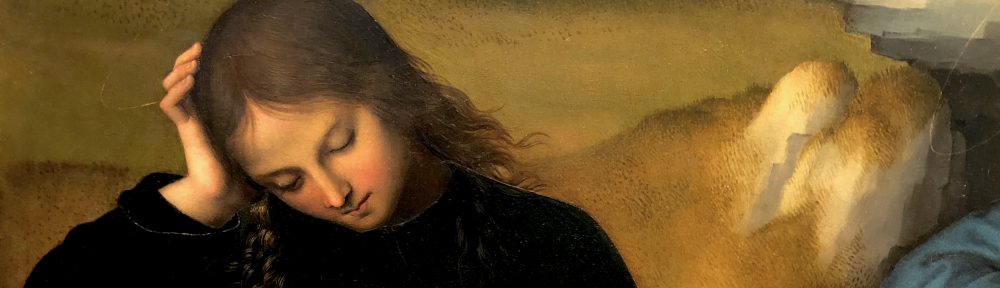

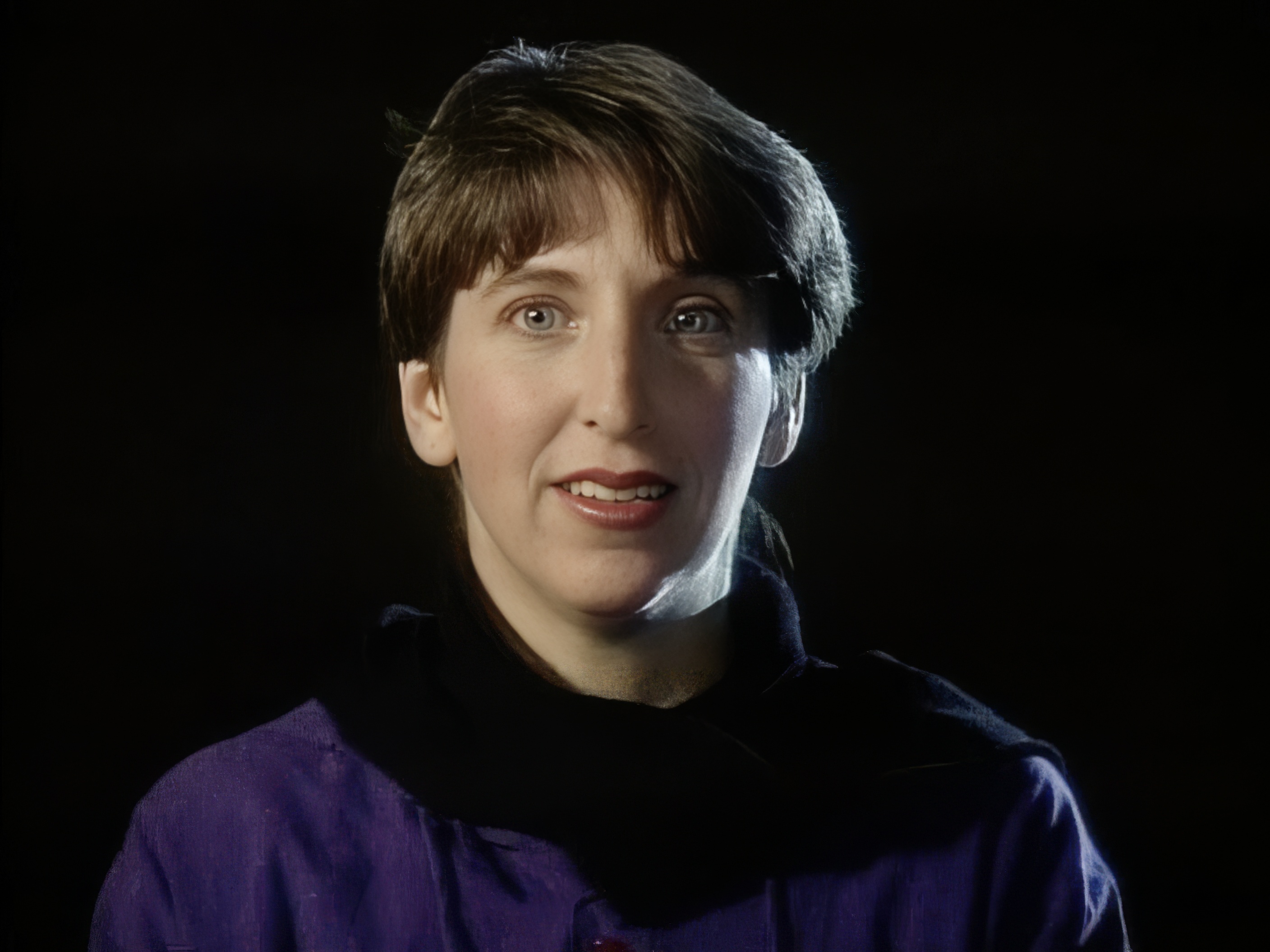

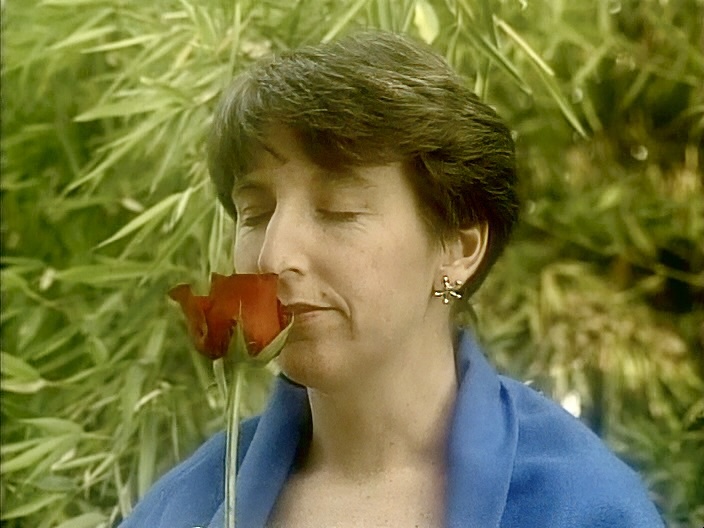


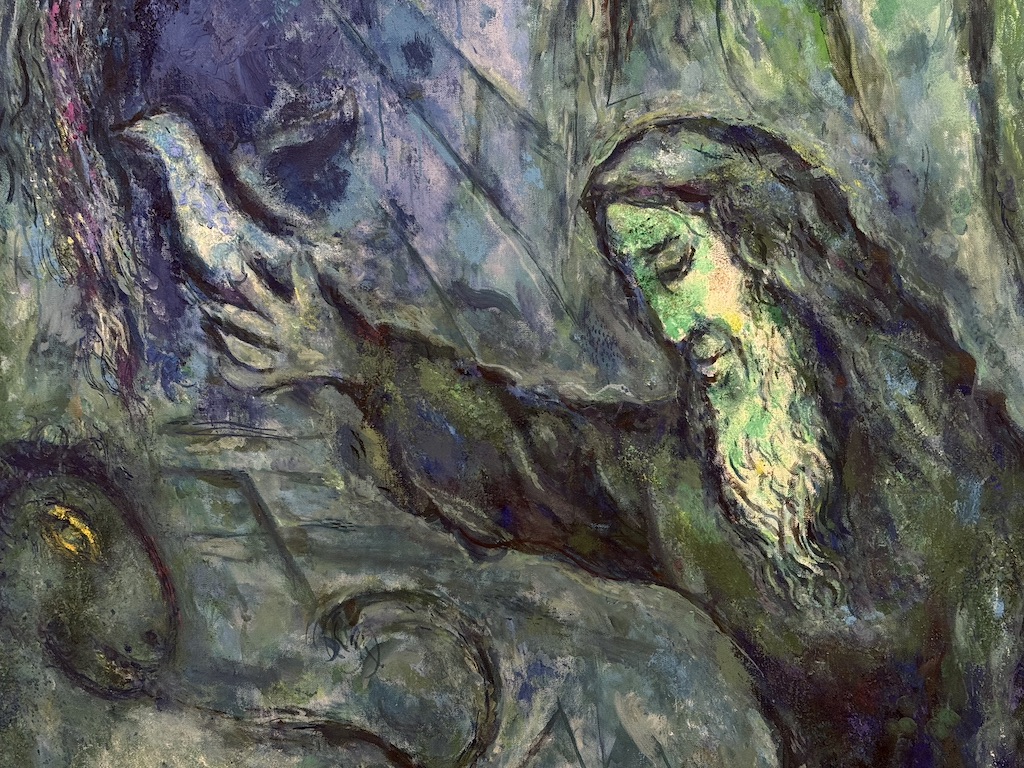
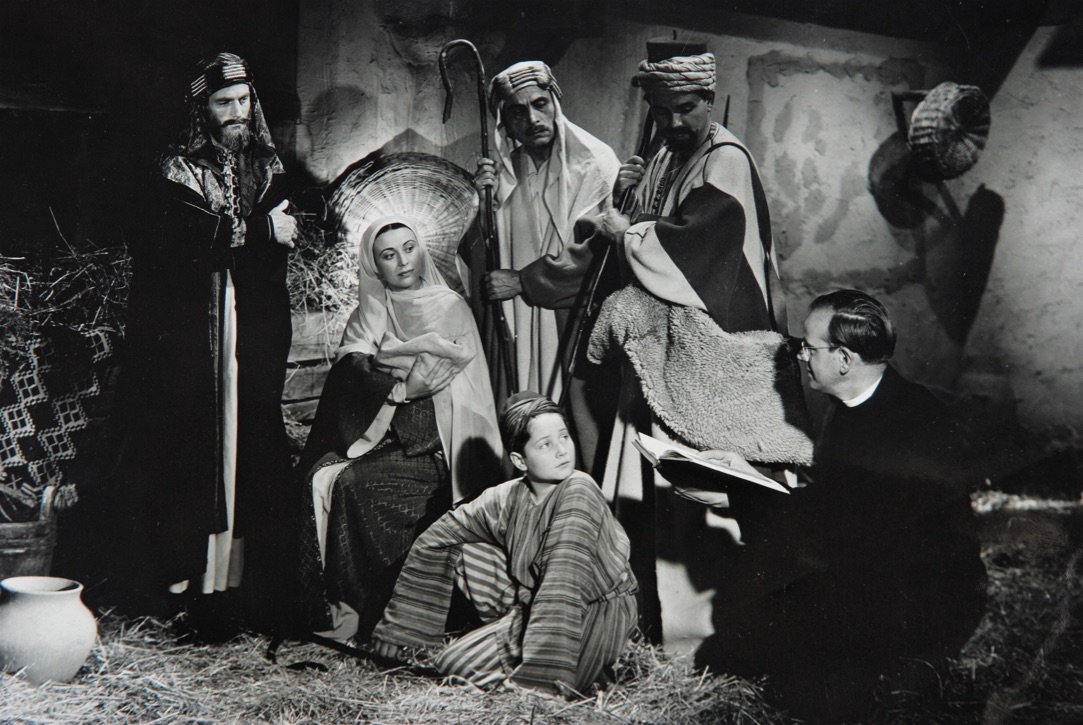



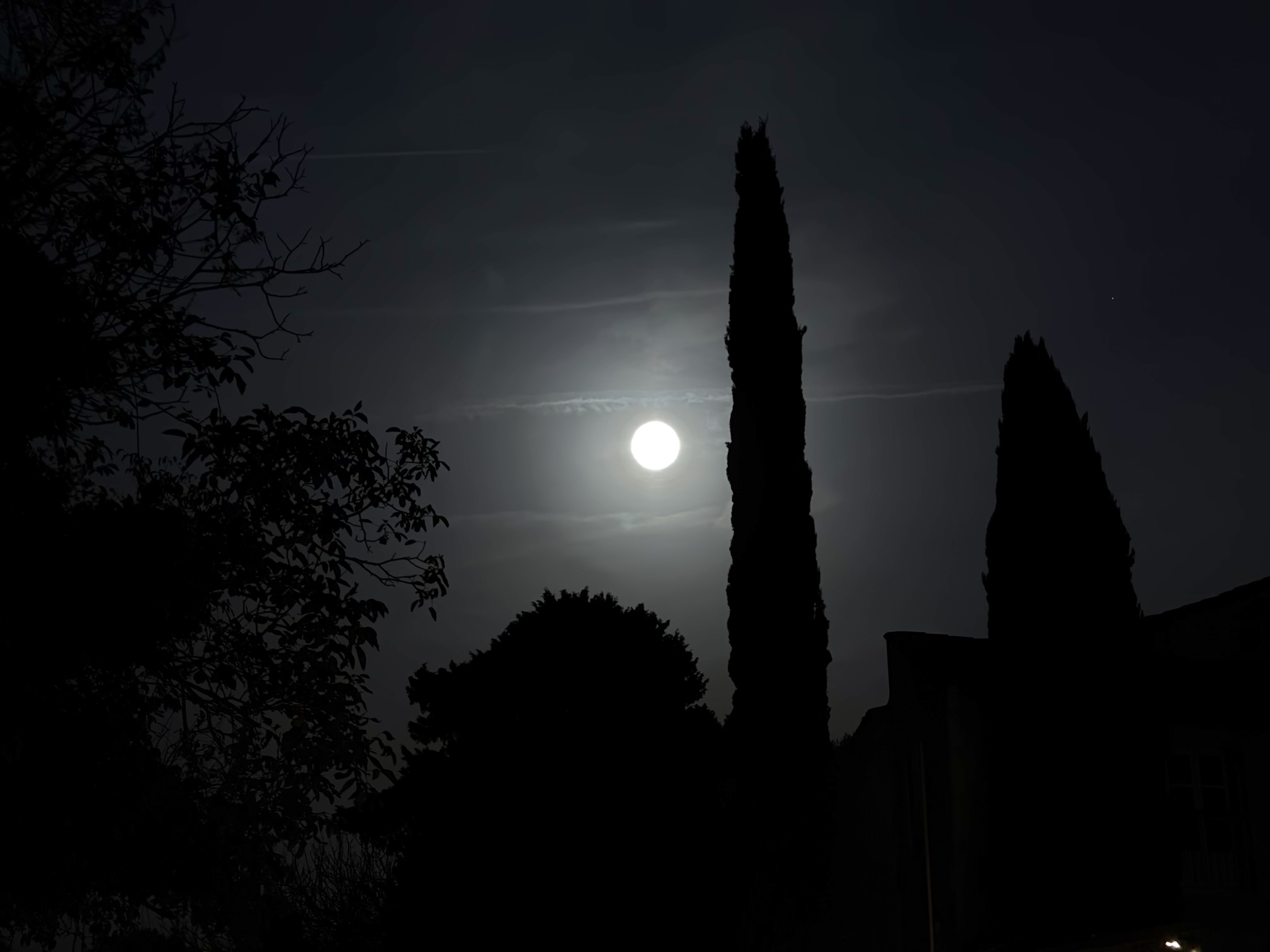

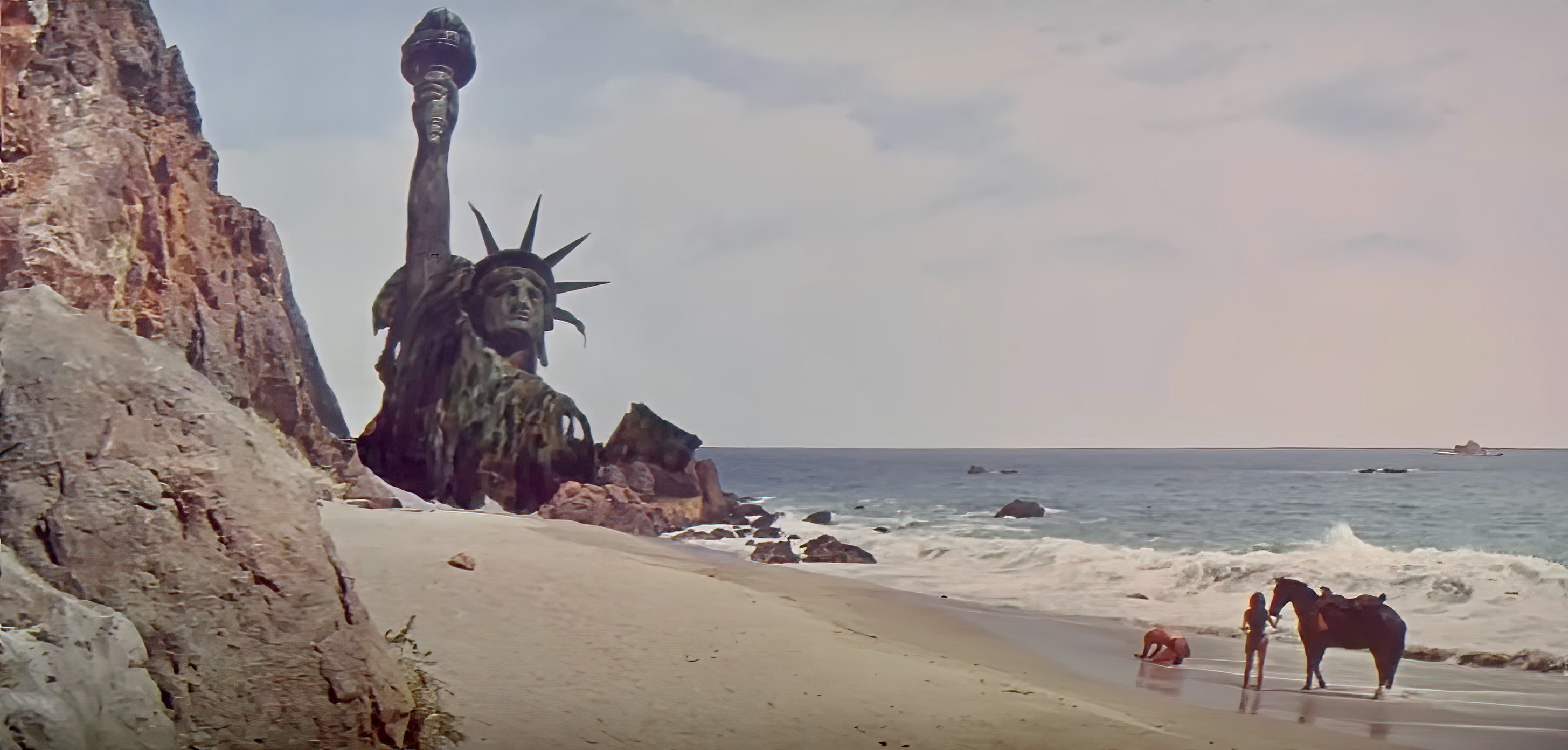


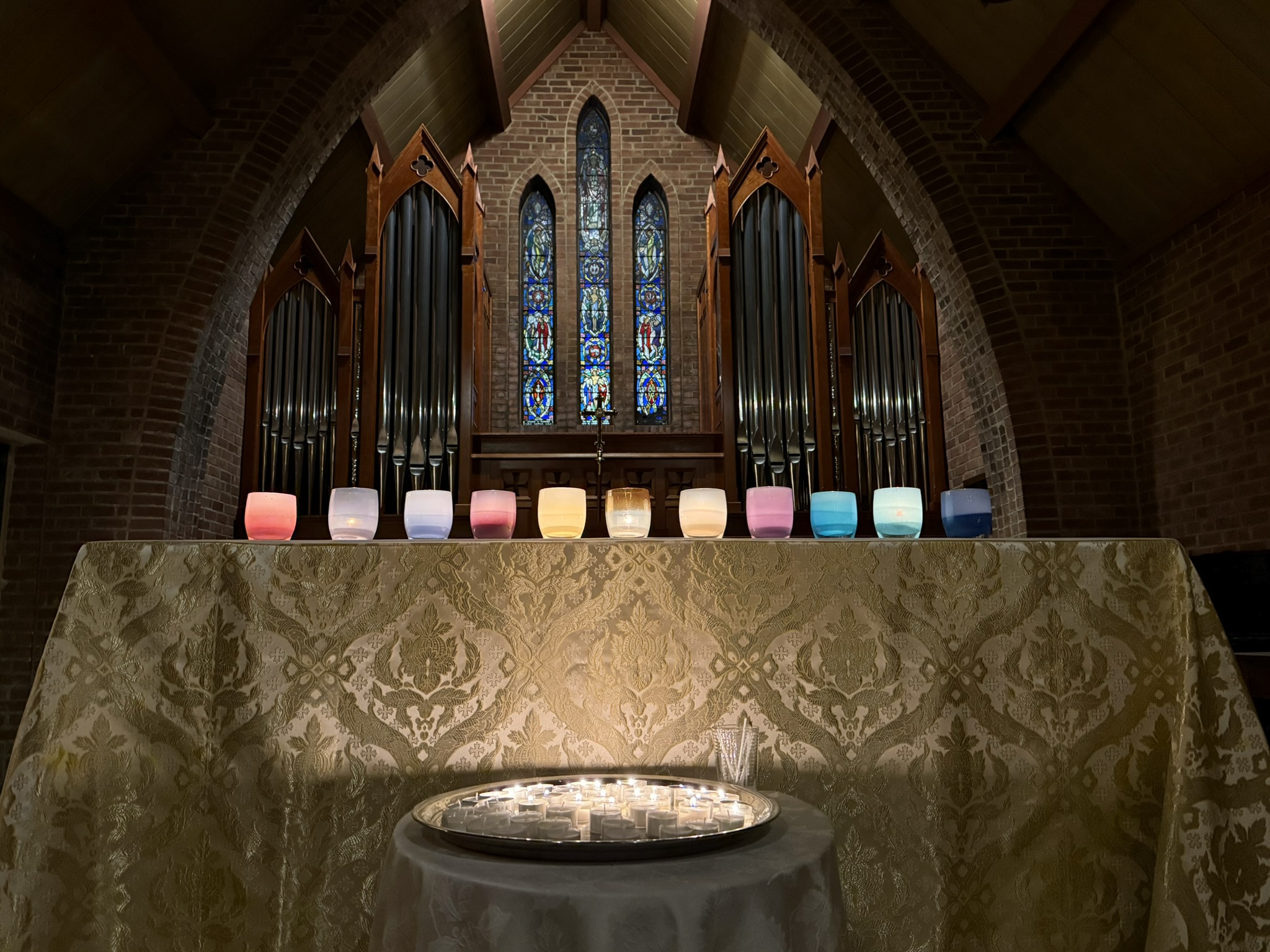


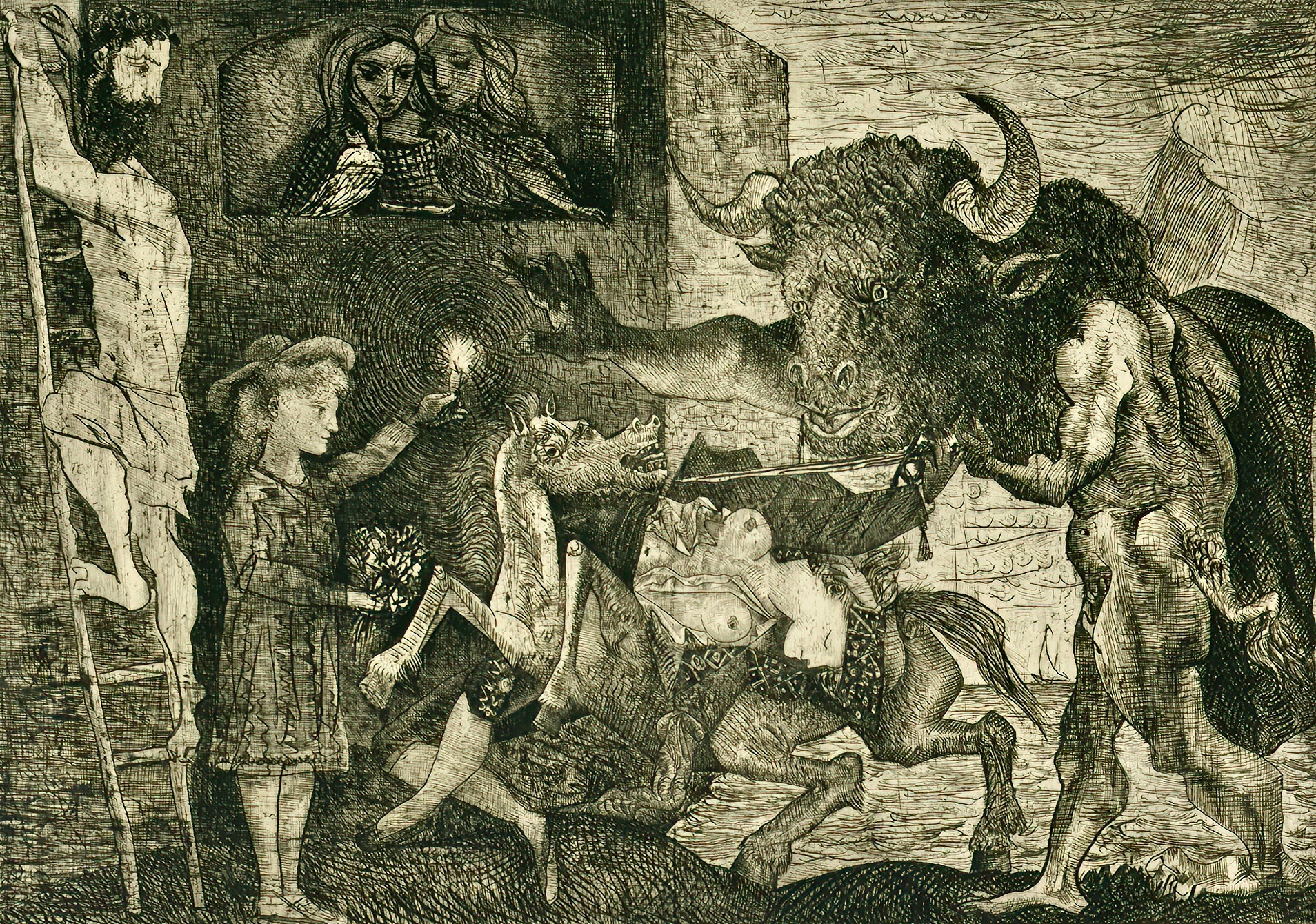
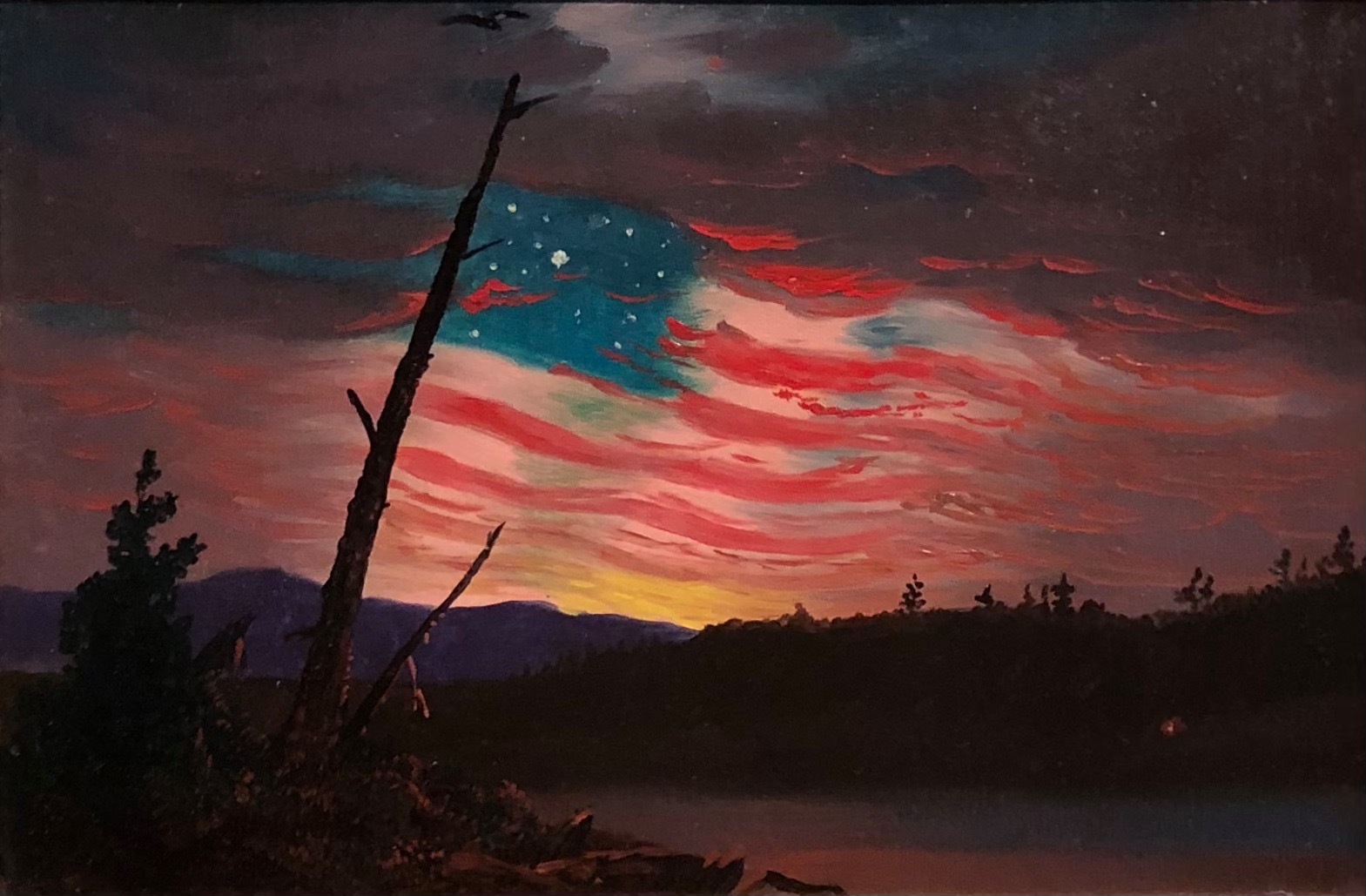
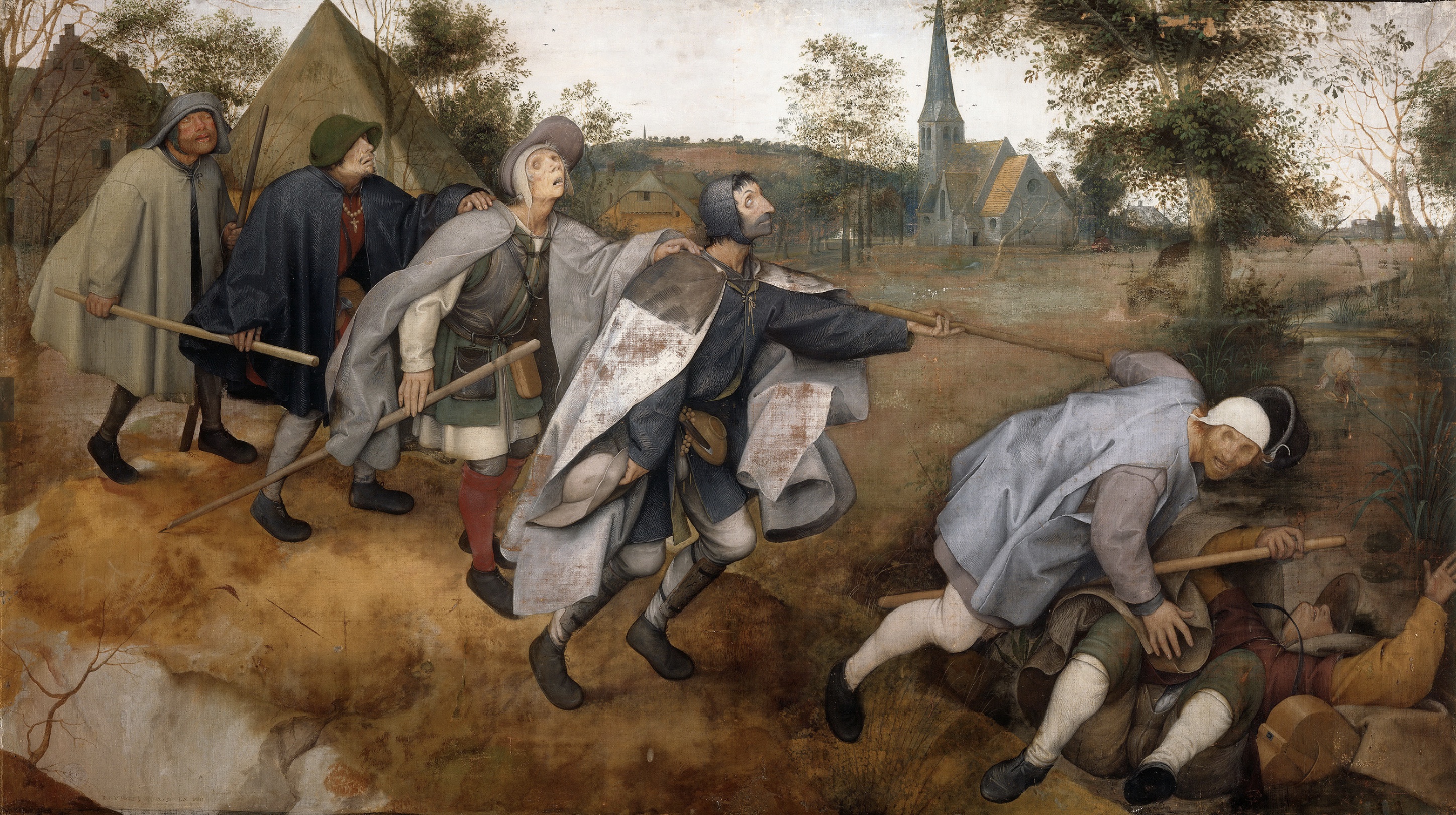
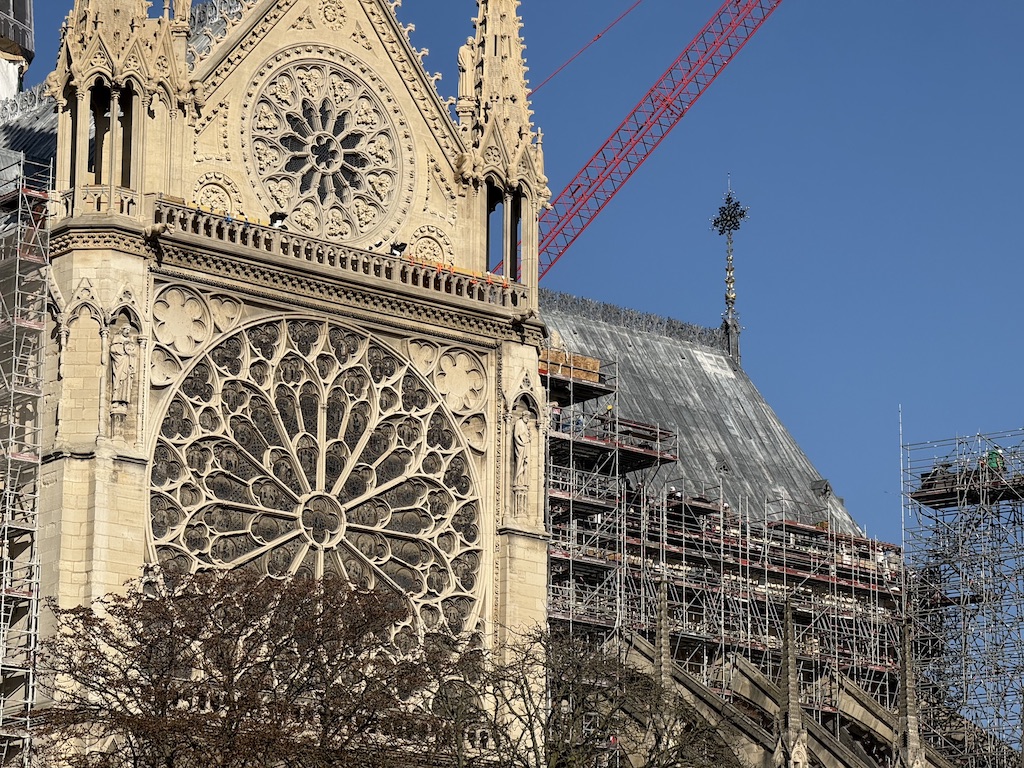




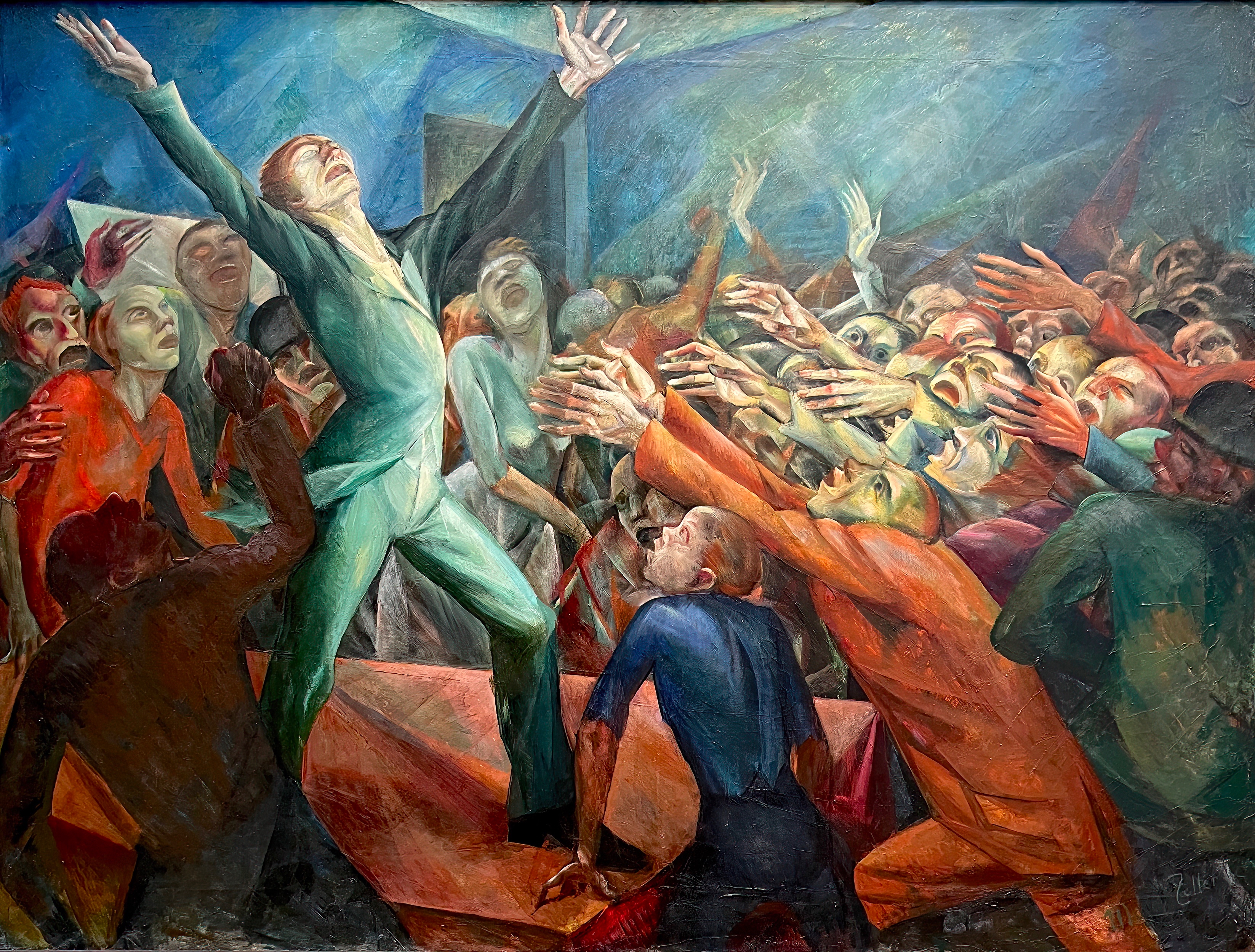


 The religious imagineer