Tending Faith’s Flame in the American Gloom

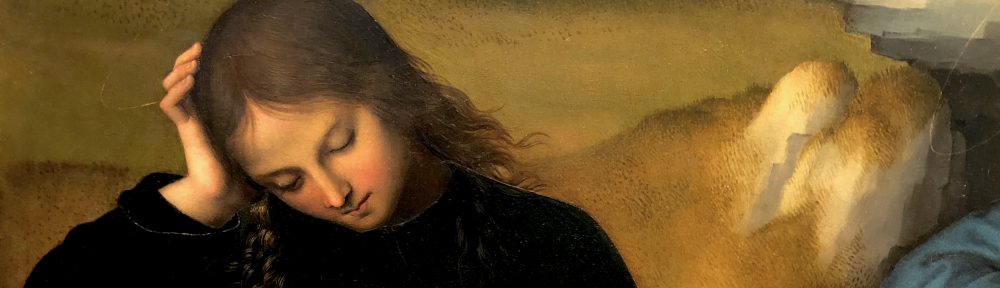
Anonymous, The Descent from the Cross (detail), German c. 1500.

The evil and the armed draw near;
The weather smells of their hate
And the houses smell of our fear.

— W. H. Auden, For the Time Being

“ … because all you of Earth are idiots!”

Plan 9 from Outer Space (Ed Wood, 1957)

How bad is it, anyway? In the first hours of the new Amerika last Tuesday, the original Planet of the Apes (1968) came to mind. Finding a half-buried Statue of Liberty on a deserted beach, space-and-time traveler Charlton Heston realizes he has not landed on some distant planet, but on his own earthly home, where humanity has evidently committed nuclear suicide. Literally pounding the sand, he cries out to his long-vanished fellow mortals, “You really, finally, did it! You maniacs! You blew it up! Damn you! God damn you all to hell!”
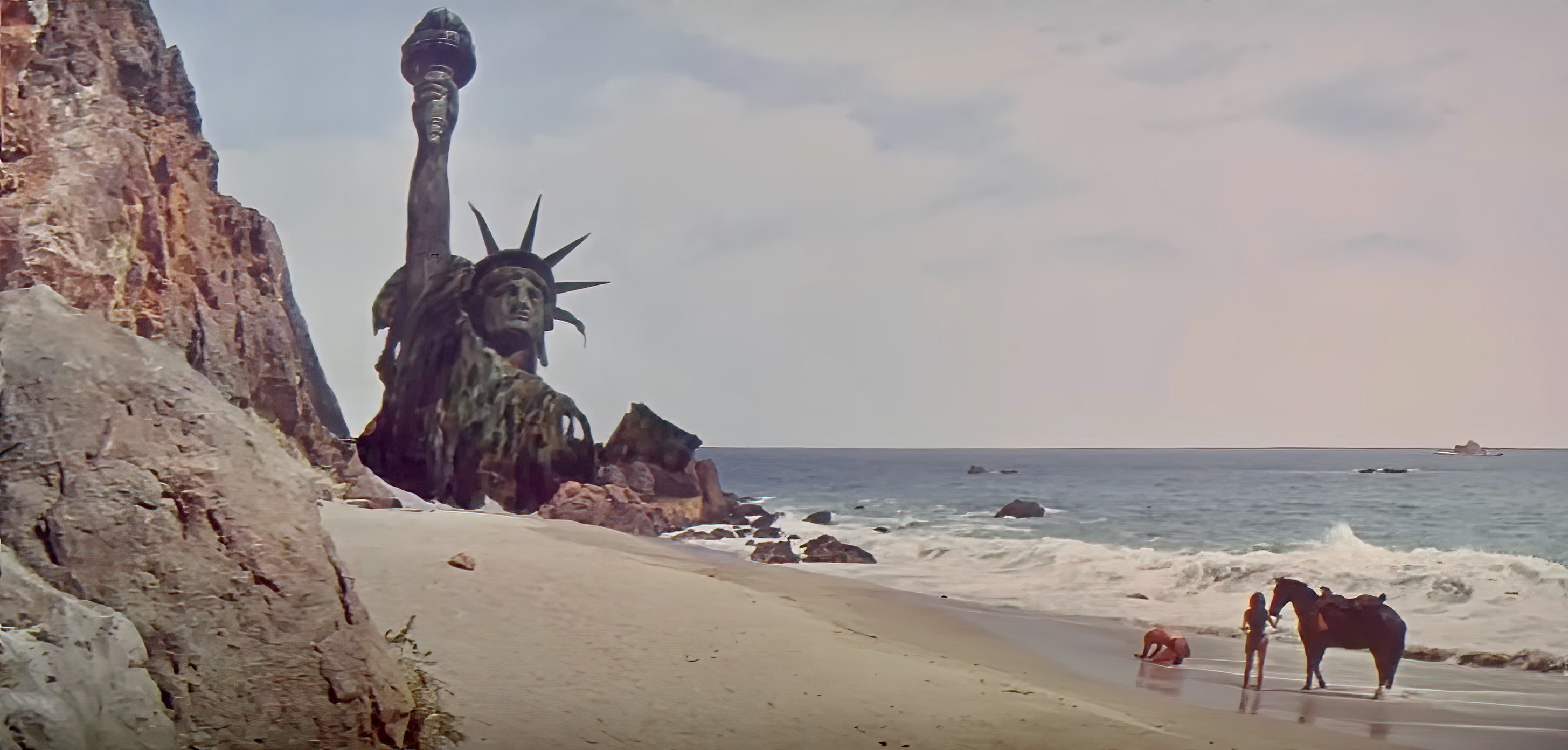
A ruined earh: The final image of Planet of the Apes (1968).

In the Year of our Lord 2024, a decisive majority of Americans have chosen to blow up democracy, the rule of law, the common good, civil liberty, women’s rights, health care, international stability, public sanity, and our last hopes of staving off climate apocalypse. Did they know what they were doing? I confess to zero interest in their motivation at this point. Their decision, measured by its inevitable consequences, was neither rational nor moral. The harm it will do is immeasurable. Even if they thought they were trying to make a point about their personal economic pain, the mad embrace of a fascistic, unstable sociopath and the MAGA dream of demolishing the American experiment—not to mention the livability of our planet—will impose a price none of us can afford.

The American minority, meanwhile, has spent the past week trying to cope with the shock and the horror of the Antichrist’s second coming (I use that name not in a mythical sense, but in a moral one, describing the Trump who in every respect is against the way of Jesus).

Some have engaged in second-guessing the Democratic campaign, as if putting the argument differently could have penetrated the thick shields of delusion and hate erected by right-wing propagandists and their carefully crafted algorithms. Some have sought comfort in the long view, looking toward the distant horizon where hope and history will someday rhyme. Some see the moment as a sobering diagnosis of our national maladies, putting an end to further denial. There’s no use pretending we’re still healthy. Some are tuning out, or contemplating flight to saner climes. Some, sadder and wiser, are vowing to carry on the fight for the common good. God help them.

Marc Chagall, Adam and Eve Expelled from Paradise (detail), 1961.

Many people have been passing poems around on social media, lighting candles of gentleness and peace for one another in this dark night. I have taken comfort in these tender gestures, offered like balm in Gilead for the sin-sick soul. But I also have found myself browsing post-WWII poems that register the shock of brutal conflict. “The Last War” by Kingsley Amis (1948) touched a chord in me with its opening line: “The first country to die was normal in the evening.” By morning it was disfigured and dead

The poem narrates a kind of Agatha Christie murder story in a country house. No one, in the end, survives the weekend. When the sun (the light of Reason? the eye of God?) shows up to survey the damage and “tidy up,” he is unable to separate “the assassins from the victims.” Sickened by the folly and horror of human self-destruction, the sun goes back to bed. The last two stanzas begin with the sound of gunfire and end with a deathly quiet:

Homicide, pacifist, crusader, tyrant, adventurer, boor
Staggered about moaning, shooting into the dark.
Next day, to tidy up as usual, the sun came in
When they and their ammunition were all finished,
And found himself alone.

Upset, he looked them over, to separate, if he could,
The assassins from the victims, but every face
Had taken on the flat anonymity of pain;
And soon they’ll all smell alike, he thought, and felt sick,
And went to bed at noon.

The sense of recognition I felt in reading the poem oddly eased my post-election malaise. Though I dwell in the valley of the shadow, I’m not alone. Like Dante in hell, I’ve got a good poet for company.

Virgil and Dante in the 8th Circle of Hell The Roman poet would guide Dante through the infernal regions until they found the way out.

Well, what now? If there were ever a time demanding religious imagination—the ability to see resurrection light even on Good Friday—this is it. Such envisioning will be one of the ongoing tasks of The Religious Imagineer. But we can’t just leap into Easter. We must first do our time at the foot of the cross, living in solidarity—and risk?—with the victims and the vulnerable, tuning our hearts to the bells that toll for every human tear:

Tolling for the luckless, the abandoned and forsaked,
Tolling for the outcast, burning constantly at stake …
Tolling for the aching ones whose wounds cannot be nursed,
For the countless confused, accused, misused, strung-out ones and worse,
And for every hung-up person in the whole wide universe. [1]
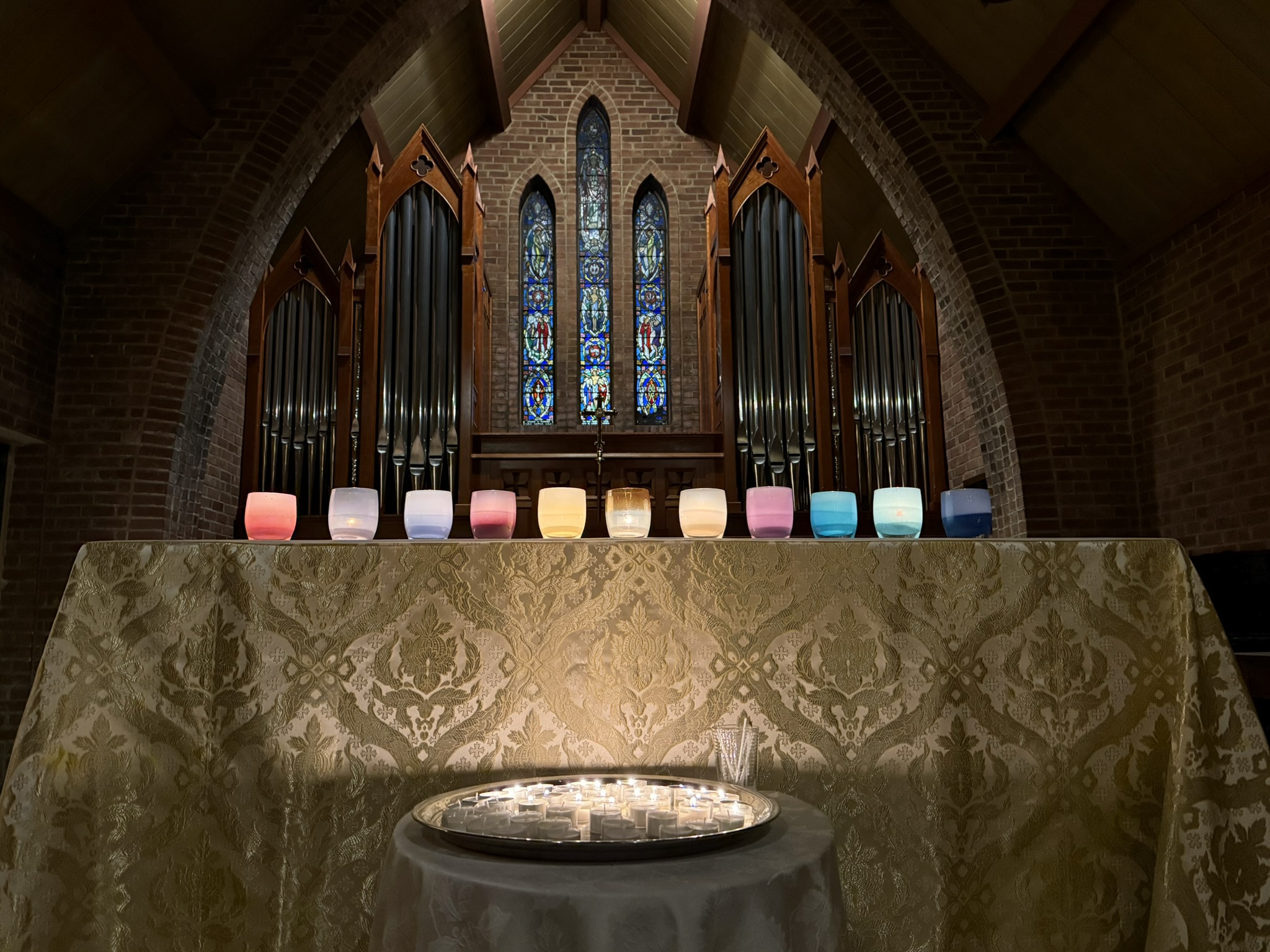
St. Barnabas Episcopal Church, Bainbridge Island, Washington. Prayers silent and aloud were offered here the night before and the night after the election.

I feel blessed to be in Christian community during this time of trial. It is better to hold hands than clench fists. It restores the soul to share our griefs and voice our hopes in sacred discourse and common prayer. Preachers are encouraging our renewed commitment to the Baptismal Covenant: to persevere in resisting evil; seek and serve Christ in all persons; strive for justice and peace among all people; and respect the dignity of every human being.[2] Pastors, meanwhile, are reminding us to love those who voted against most of those things.

(I confess to my own struggle with the Christly precept of loving the haters. Yes, we all fall short, but the so-called Christians cheering the triumph of our basest impulses are, IMHO, falling short with unseemly enthusiasm. As Henry James noted, “when you hate you want to triumph.”) [3]

Tom Tomorrow always nails it: MAGA House of Horror (October 28, 2024).

Many of us, like the desert monks of Late Antiquity, are feeling the need to go on retreat from the public square, to hush the noise and attend the still small voice of holy wisdom. Our spiritual practices seem more necessary than ever.

For me over the past week, that has taken the form of Daily Offices, running, watching the birds in the garden, reading Henry James, a Monteverdi concert, and a splendid evening of Balanchine works by the Pacific Northwest Ballet. I have also been fasting from political news, limiting myself to a small amount of reflective commentary from trusted sources. Such self-care through withdrawal from the fray is “meet and right so to do.” But unless we are contemplatives whose job is to provide for the rest of us what Jesuit activist Dan Berrigan called “large reserves of available sanity,” we can’t stay in the desert forever.

Old Testament scholar Walter Brueggemann has responded to the election with a fine reflection on Elijah’s flight from the danger and exhaustion of public justice-making to the solitude and safety of the holy mountain. After a while, God tracks him down to ask, “What are you doing here, Elijah?”  

“Go back to your proper place; you can linger here in self-pity only so long and then you must remember your call and perform your responsibility.” So Elijah is freshly dispatched back to his dangerous work. He is dispatched by the one who has lordly authority for him. The only assurance he is offered is that there are others—7000—who stand alongside in solidarity.[4]

We are not alone. God is with us. The night after the election, some of our local parish church gathered for Evening Prayer, with generous pauses for quiet resting in the Divine Presence. When words fail, let silence speak. Afterward, we had a deep and earnest conversation about the effect of the election on our hearts, minds, and bodies. The empowering richness of that exchange, a gift of the Holy Spirit, raised us from the depths to remember our vocation as God’s friends: to plant the seeds of resurrection amid the blind sufferings of history.  

Henri Matisse, The Rosary Chapel in Vence, French Riviera.

Let me close with an encouraging story from the desert monks.

The disciple of a great old man was once attacked by the demons within him. The old man, seeing it in his prayer, said to him, ‘Do you want me to ask God to relieve you of this battle?’ The other said, ‘Abba, I see that I am afflicted, but I also see that this affliction is producing fruit in me; therefore ask God to give me endurance to bear it.’ And his Abba said to him, ‘Today I know you surpass me in perfection.’” [5]

Throughout this time of trial and affliction, God grant each of us, and our communities, the endurance to bear what we must bear, and do what we must do, that our lives may prove both faithful and fruitful in due season.


[1] Bob Dylan, “Chimes of Freedom,” from Another Side of Bob Dylan (Columbia Records, 1964).

[2] From the Baptismal Covenant, Episcopal Book of Common Prayer (1979).

[3] Henry James, The Ambassadors (New York: Modern Library, 2011), 427.

[4] Walter Brueggemann’s reflection on I Kings 19, “Beyond a Fetal Position,” Nov. 7, 2024 on Church Anew: https://churchanew.org/brueggemann/beyond-a-fetal-position

[5] Cited in John Moses, The Desert: An Anthology for Lent (Norwich: The Canterbury Press, 1997), 62.
Voting for the Light

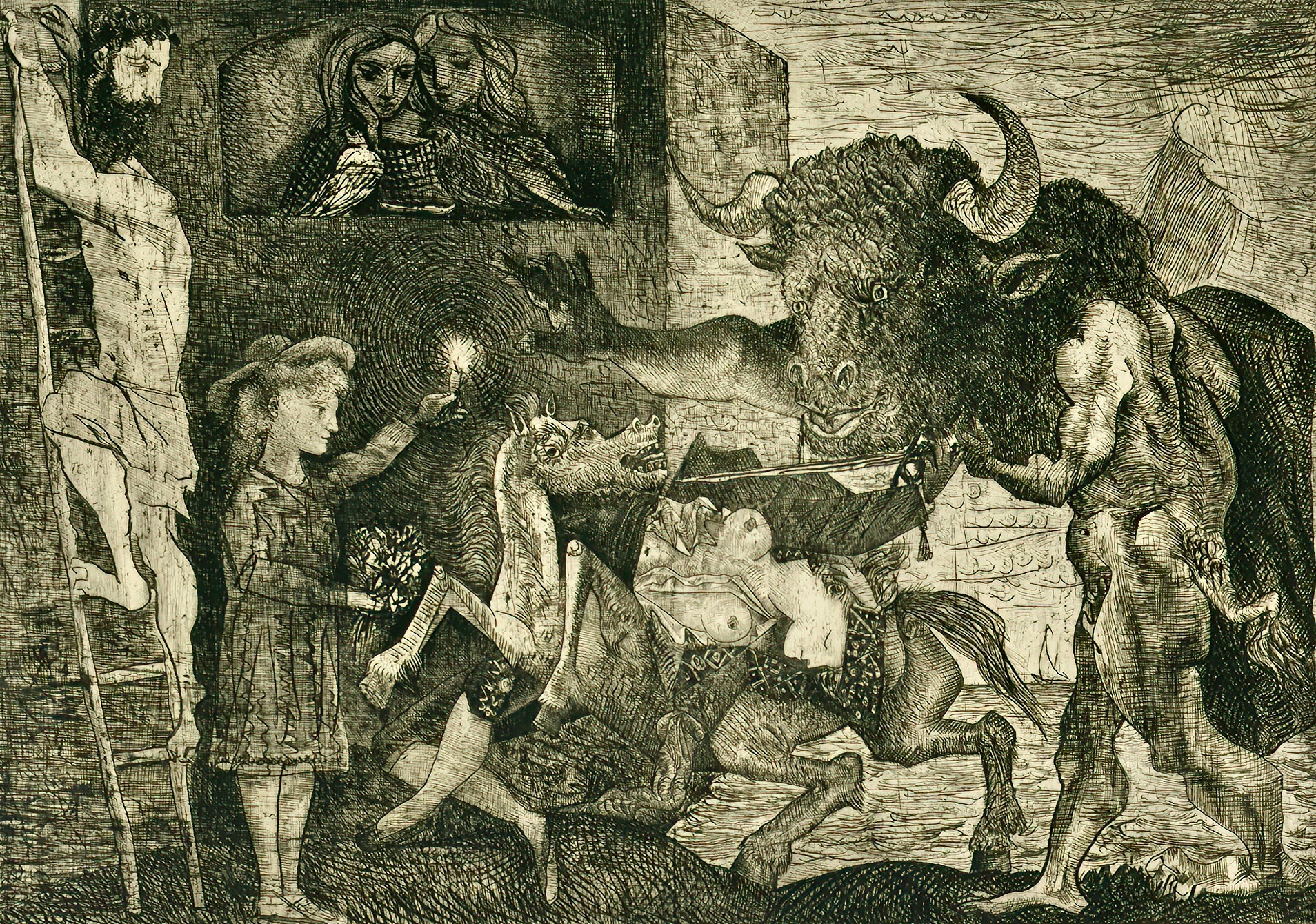
Pablo Picasso, La Minotauromachie (1935).

Picasso’s turbulent etching from the eve of the Spanish Civil War seems a timely image of my own country in this harrowing election season. The monstrous beast towers over his victim—the wounded female matador lying unconscious on the back of her tormented horse. From a high window, two other women, with doves of peace, witness the predator’s violence with both anger and sorrow. The cowardly male fleeing up the ladder takes no side, offers no resistance. Only the brave young girl, with her candle and flowers, stands firm against the Minotaur, whose hand tries to block the light of truth. Her calm and steady presence is unperturbed by the monster’s agressive rage. She knows something he will never understand. Even in the darkest hour, there is a light which refuses to be extinguished.

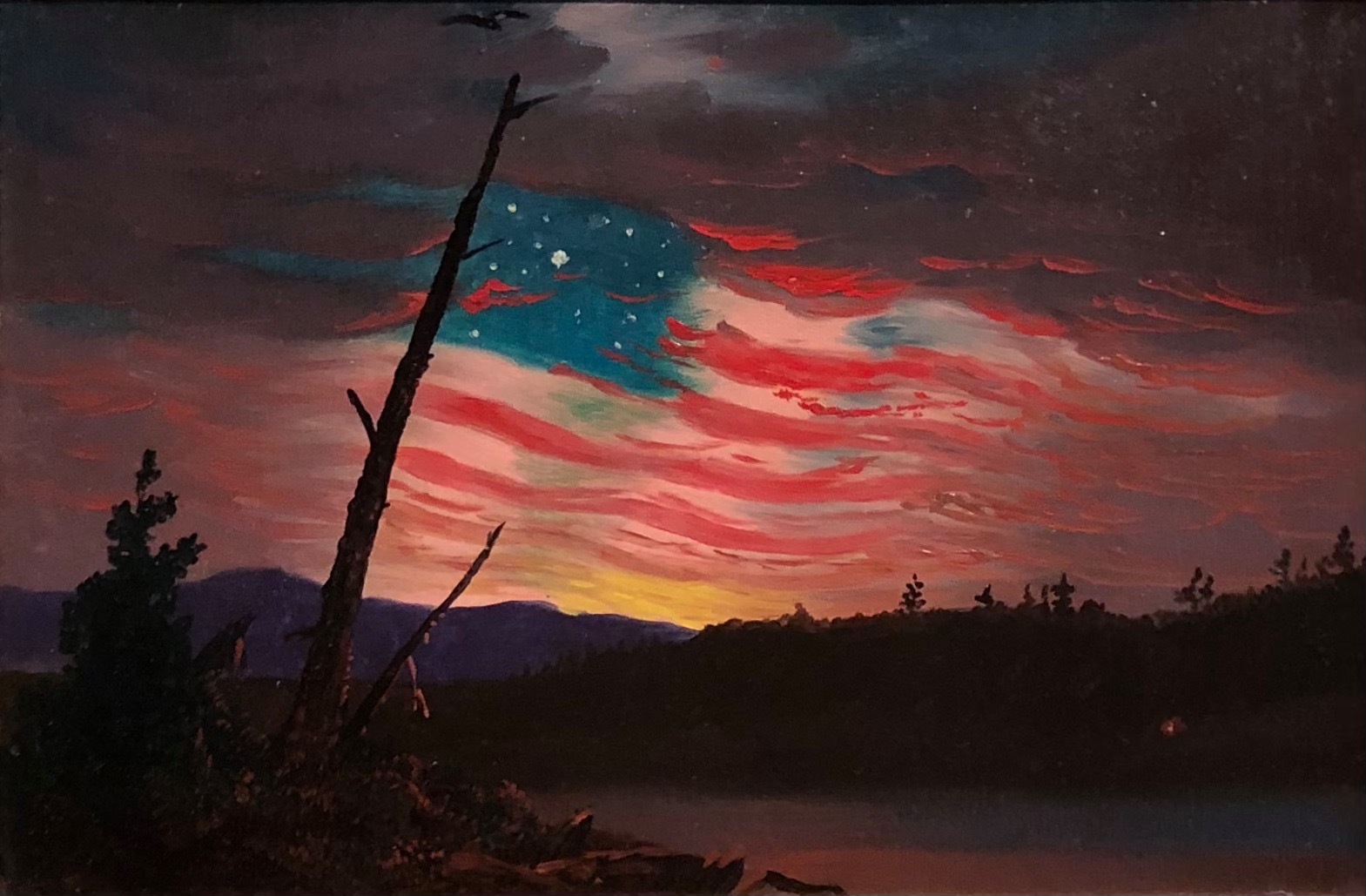
Here’s to the truth-tellers, activists, organizers, public servants, door-knockers, and phone-bankers whose candles shine so brightly in these challenging days. And for my own candle on Election Eve, let me offer the words of Abraham Lincoln, who summoned our better angels in his 1862 address to a divided nation:

“Can we do better?” The dogmas of the quiet past are inadequate to the stormy present. The occasion is piled high with difficulty, and we must rise with the occasion. As our case is new, so we must think anew and act anew. We must disenthrall ourselves, and then we shall save our country.

Fellow-citizens, we can not escape history. We of this Congress and this Administration will be remembered in spite of ourselves. No personal significance or insignificance can spare one or another of us. The fiery trial through which we pass will light us down in honor or dishonor to the latest generation … We shall nobly save or meanly lose the last best hope of earth.

Frederic Edwin Church, Our Banner in the Sky (1861), painted at the outbreak of the American Civil War.

“No faith, no truth, no trust”—The Cost of Lies in American Politics

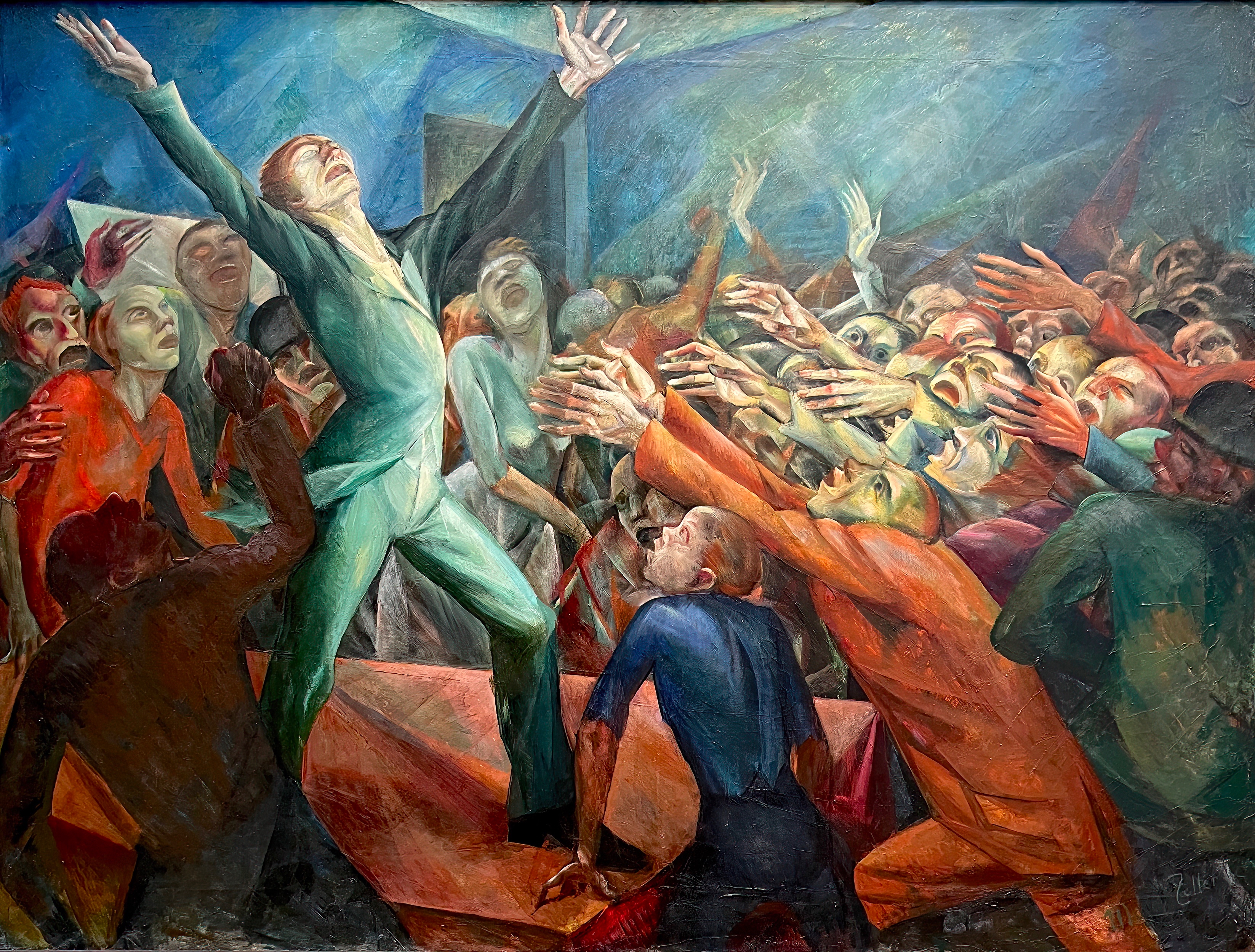
Magnus Zeller, The Orator (c. 1920). The German painter foresaw the danger of authoritarians who prey on the emotions of the mindless mob.

The problem is, when you marry intelligence
To ill will and brute force,
People are helpless against it.

— Dante, Inferno xxxi [1]

On November 5th, Guy Fawkes Day, the citizens of Great Britain will celebrate the defeat of a conspiracy to overthrow the political order in 1605. Thirty-six barrels of gunpowder hidden beneath the House of Lords were discovered before they could blow King and Parliament to kingdom come, and the plotters were brought to justice.

Also on November 5th, the citizens of the United States will vote whether to thwart or assist the overthrow of their own political order. Democracy itself is on the ballot, and the party of insurrection is determined to blow it up. If the latest polls are accurate, they have a fair chance of success.

Seventeenth-century England and twenty-first century America are dissimilar in countless ways, but the Gunpowder Plot of 1605 and the Presidential election of 2024 have one crucial thing in common: the toxic social effect of equivocation.

When the seventeenth century began, “equivocation” was a neutral, rarely used term for statements deemed ambiguous. But in the aftermath of the Gunpowder Plot, it became a widespread byword for deceitful speech. The term’s sudden prominence was triggered by the discovery of the plotters’ handbook, A Treatise of Equivocation, which detailed various ways for persecuted Roman Catholics to lie under oath without endangering their conscience.

When Catholic worship and practice were being suppressed after the English Reformation, the Roman faithful needed to conceal from the authorities the presence of priests and the saying of masses in their private homes. If asked, they could equivocate: give ambiguous or incomplete answers, or practice “mental reservation”—speaking aloud partial truths, while retaining in their minds any bits which might get them into trouble. As long as you speak the whole truth in your mind, where God can hear it, leaving your inquisitor in the dark is not a sin. In other words, the Treatise argued, it is possible to lie without guilt.

In a time when Roman priests were being hunted down and threatened with prison or the gallows, such equivocation was understandable. We do not fault the Dutch family who lied about Anne Frank hiding in their secret annex. But as the Gunpowder Plot made clear, social stability was not a given in the early days of King James’s reign. However, neither factions, plots, religious difference or the clash of ideas seemed the greatest threat to common life in Britain.  The greatest threat was thought to be equivocation, the solvent of bad faith which dissolves communal trust. As an English court put it a few years after the insurrection was foiled:

“The commonwealth cannot possibly stand if this wicked doctrine be not beaten down and suppressed, for if it once take root in the hearts of people, in a short time there will be no faith, no truth, no trust … and all civil societies will break and be dissolved.” [2]

The Earl of Salisbury, responding to A Treatise of Equivocation with a book of his own, An Answer to Certain Scandalous Papers, warned against “that most strange and gross doctrine of equivocation,” which would “tear in sunder all the bonds of human conversation.” [3]

A similar anathema was issued from a London pulpit:

“He that lyeth doth deprive himself of all credit among men (for they will also suspect him to be a liar), so that he that once deceiveth his neighbor by equivocation, shall always be suspected to equivocate … If deceit by equivocation be used, then all covenants and contracts between man and man must cease, and have an end, because all men will be suspicious of one another … So, no commonwealth can stand, no civil society can be maintained.” [4] 

 The nightmarish world of Shakespeare’s Macbeth, written just after the Gunpowder Plot, dramatizes the dread of social disintegration, as even the more admirable characters find themselves “unspeaking” truth. “Fair is foul and foul is fair,” cry the weird sisters at their cauldron of deconstruction. Once language begins to mean anything and nothing, civil discourse is mortally wounded, and it is not just Macbeth who begins “to doubt th’ equivocation of the fiend / That lies like truth.” [5]

Shakespearean scholar James Shapiro notes that the moral chaos of the play is draining not just for the characters but for the audience as well:

“Equivocation makes following Macbeth’s dialogue a mentally exhausting experience, for playgoers—much like those conversing with equivocators—must decide whether a claim should be accepted at face value, and, if not, must struggle to construct what may be suppressed through mental reservation. But with equivocators, one never knows what, if anything, is left unspoken.” [6] 

In the American election of 2024, we are well acquainted with the fiend that lies like truth. “Fair is foul, and foul is fair,” cry the weird brothers Trump and Vance, poisoning our national speech and our common life like there’s no tomorrow. The lying is in their natures—it’s who they are: hollow men without principles, shapeless hulks of impulse and ambition. But their lying, a weapon as destructive as gunpowder, is also an instrument of power. If truth and trust can be blown to bits, the weird brothers will be free to soar beyond accountability into a realm of naked, unfettered tyranny.

It will not go well for them. As Dante assures us, the lowest place in Hell is reserved for the fraudulent, because fraud is the polar opposite of love. Love nurtures community. Fraud disintegrates it. Dorothy Sayers’ eloquent notes on Dante’s Inferno describe the bleak endgame for the ones who are only in it for themselves:

“Beneath the clamor, beneath the monotonous circlings, beneath the fires of Hell, here at the center of the lost soul and the lost city, lie the silence and the rigidity and the eternal frozen cold. It is perhaps the greatest image in the whole Inferno … A cold and cruel egotism, gradually striking inward till even the lingering passion of hatred and destruction are frozen into immobility—that is the final state of sin.” [7]

Gustave Doré, Dis frozen in the lake of ice (1861). Immobilized in the pit of hell, the prince of lies is trapped in wordless solitude, dis-connected from every form of relation.

The evils of Trumpworld have multiplied ceaselessly over the years: tens of thousands of unnecessary Covid deaths, families torn apart at the border, political violence, the abuse of immigrants and women, the corruption of the Supreme Court, the stoking of anger, racism and hate, the relentless erosion of social bonds, the corrosive degradation of the rule of law, et cetera, et cetera. And so much lying. J. D. Vance’s gleeful admission that he invented the terrible stories about immigrants eating pets is just the latest example of a shamelessly destructive addiction to untruth. These people don’t care how many people they hurt.

It’s exhausting. That too is part of the Trump/Vance strategy. We’re supposed to grow weary and discouraged in the face of their unrelenting and senseless chaos. I find an apt metaphor for this moment of American politics in Washington Irving’s account of a transatlantic voyage in the early nineteenth century. Traveling by land, he said, keeps us connected with a sense of where we are and where we’ve come from.

“But a wide sea voyage severs us at once. It makes us conscious of being cast loose from the secure anchorage of settled life, and sent adrift upon a doubtful world. It interposes a gulf not entirely imaginary, but real, between us and our homes—a gulf subjected to tempest and fear and uncertainty, rendering distance palpable, and return precarious.” [8]

Winslow Homer, The Gulf Stream (1899/1906).

Irving’s harrowing journey took about as many weeks as we have left until the election. Sail on, friends, sail on. It is my hope that come November 5th, we will anchor once again in safe harbor, put the chaos behind us, and begin to mend the torn fabric of our common life.

In the meantime, citizens, we all have some serious work to do.


[1] Dante Alighieri, Inferno xxxi, 55-57, translated by Mary Jo Bang. Dante is explaining why the Creator made large creatures like elephants and whales, but abandoned the making of giants. Intelligence, granted too much size and power, could do great damage if corrupted.

[2] James Shapiro, The Year of Lear: Shakespeare in 1606 (New York: Simon & Schuster, 2015), 158.

[3] Ibid., 173.

[4] Ibid., 177-178. John Dove, sermon at St. Paul’s Cathedral, June 1, 1606.

[5] William Shakespeare, Macbeth 5.5, 41-42.

[6] Shapiro, 185-186.

[7] Dorothy Sayers, commentary on her translation of Inferno, quoted in Helen Luke, Dark Wood to White Rose: Journey and Transformation in Dante’s Divine Comedy (New York, Parabola Books, 1989), 41.

[8] Washington Irving, The Sketch Book of Geoffrey Crayon (1819-1820), quoted in David McCullough, The Greater Journey: Americans in Paris (New York: Simon & Schuster, 2011), 12.