Que los muertos entierren a sus muertos,
Jamás a la esperanza.Let the dead bury their dead,
Never their hope.
— Jorge Guillén, Cántico
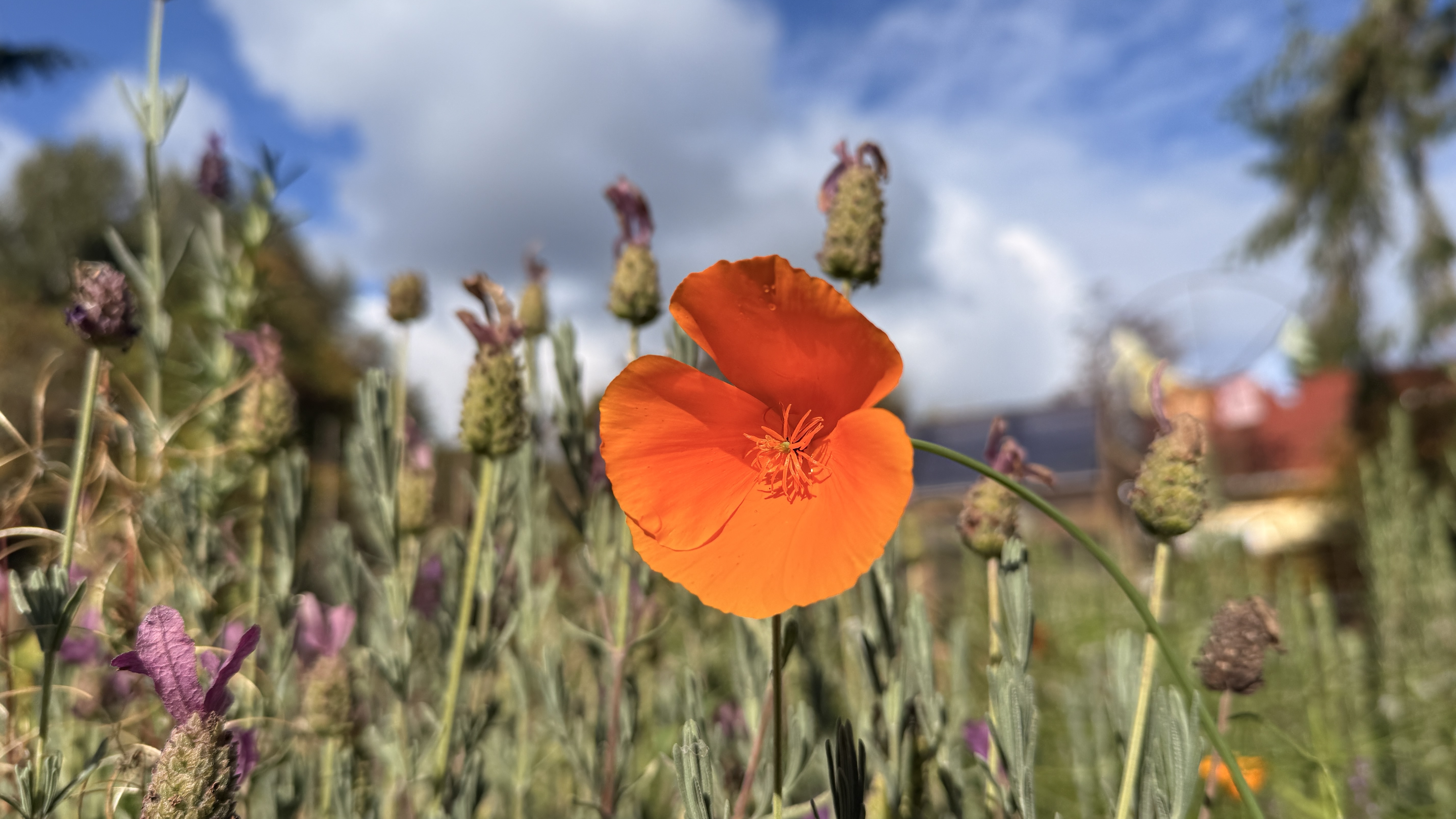
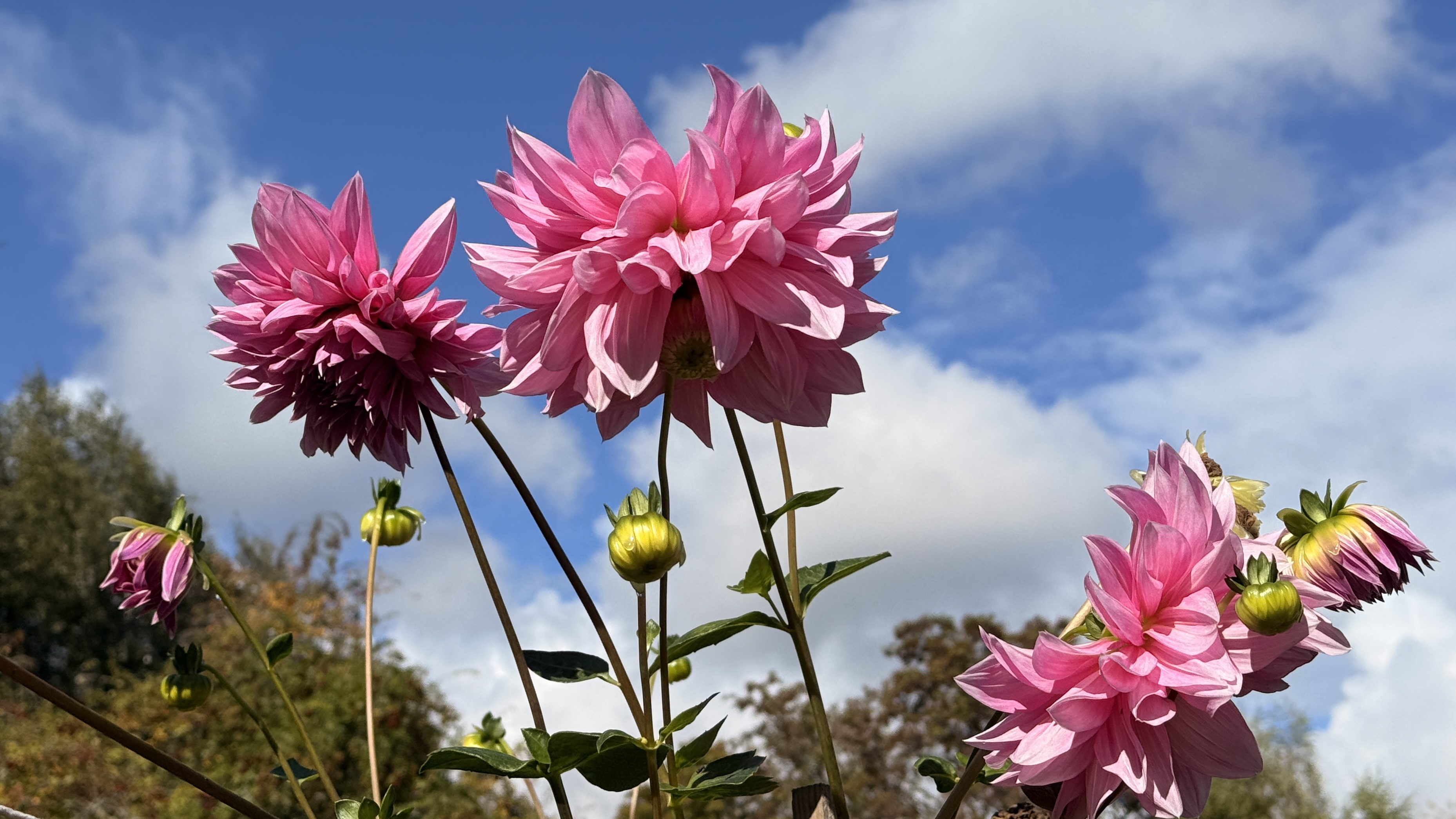
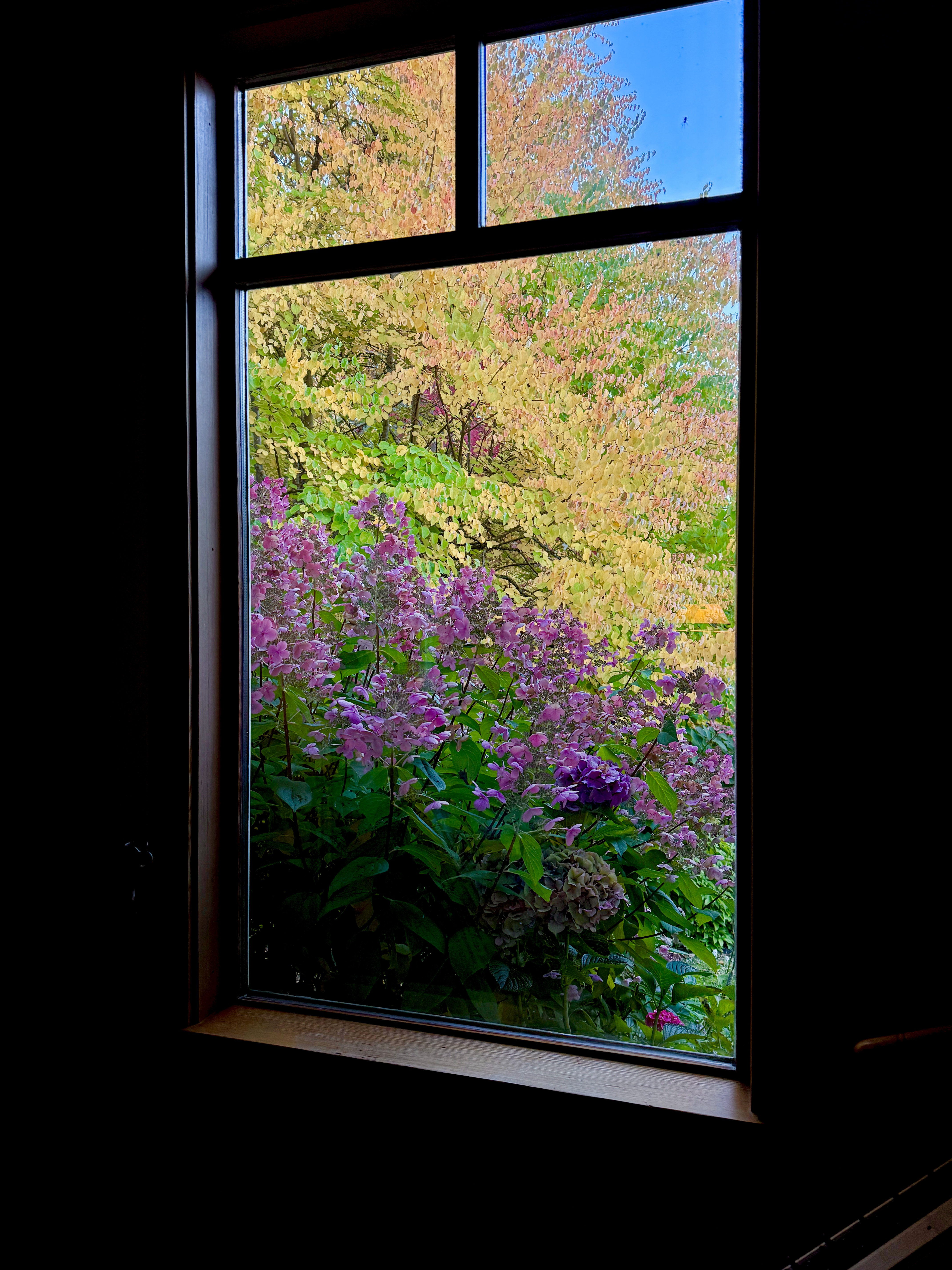
Though the drowsy leisure of summer days may charm us with the illusion of permanence, the chilly nights and burning colors of October recall the inevitable: nothing last forever. In our summer garden at home, a few brave flowers have been holding on well past the Equinox with what poet Rosanna Warren calls a “radiant bitterness.”
They are unforgiving and do not ask mercy, these last
of the season’s flowers: chrysanthemums, brash
marigolds, fat sultan dahlias a-nod
in rain.
They hang on, the poet says. But “the news is fatal.”
Leaf by leaf, petal
by petal, they brazen out this chill
which has felled already gentler flowers and herbsand now probes
these veins for a last
mortal volley ofcadmium orange, magenta, a last acrid flood
of perfume that will drift in the air here once more,
yet once more, when these stubborn flowers have died. [i]
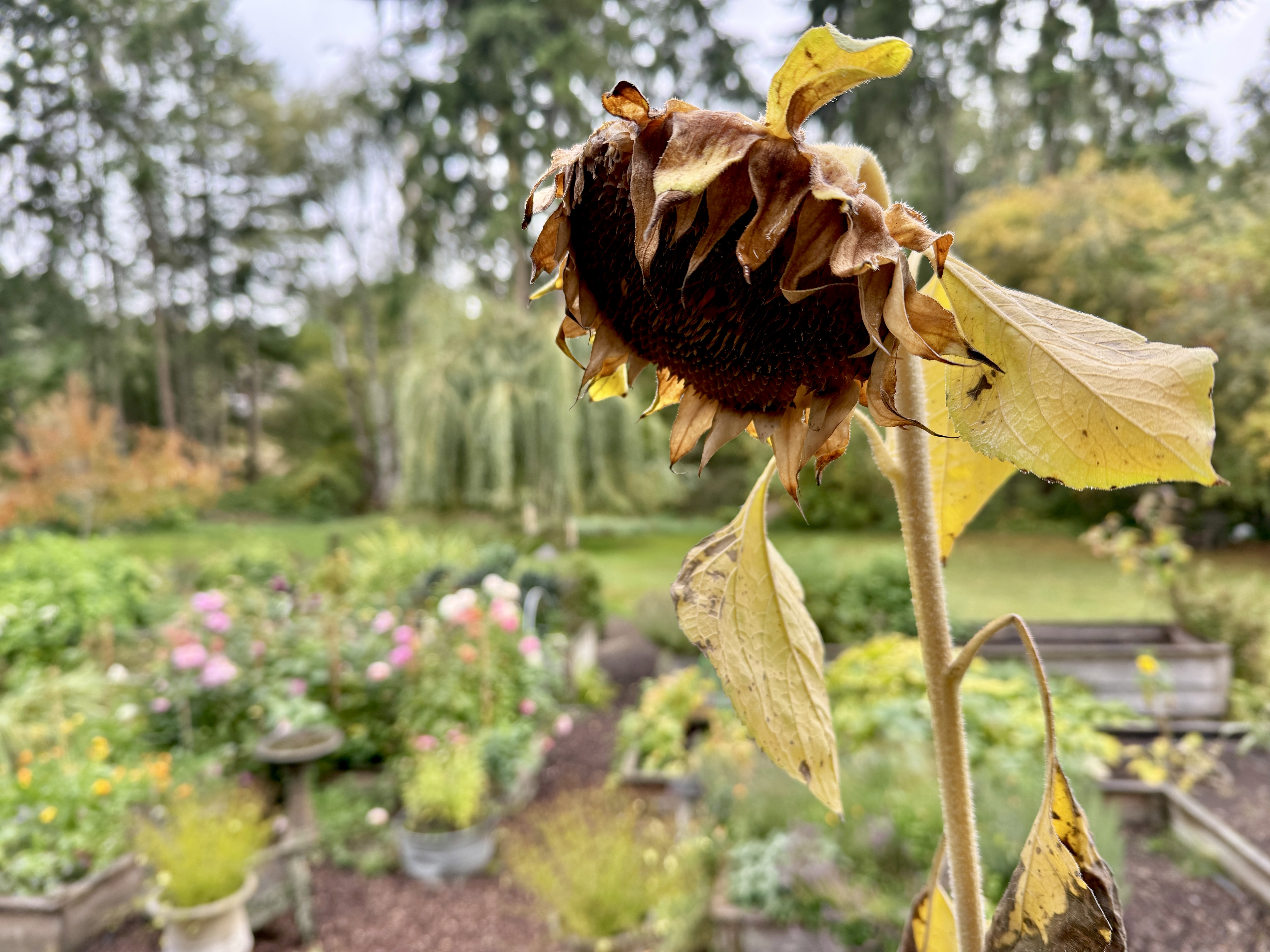
I have written a number of autumn posts over the years, reflecting on time, mortality, and the art of letting go. If you are feeling autumnal, you can link to them in the list below. But while my theme here is still about change, it is not so much about letting go as about hanging on, like the last flowers in the garden.
Ceaselessly bruised and battered by the relentless storms of hate, malevolence and madness over the past decade, many among us continue to take a stand for the divine imperatives of human flourishing: peace, justice, humility, compassion and kindness. God grant us the courage, hope, and persistence to stand alongside them.
The falling leaves, the darkening days, the icy blasts can all provoke melancholy, amplifying our sense of loss. That’s hard enough on a personal level, as we mourn the facts of mortality, but when we look beyond ourselves to the world at large, we begin to see tears in everything: the death of democracy, the death of the planet, the death of hope.
Perhaps the greatest spiritual challenge of this dark time is to resist the evisceration of hope. No surrender! If divine intention is to act in history, it requires embodiment—our hands, our voices, our marching feet, our arms of embrace.
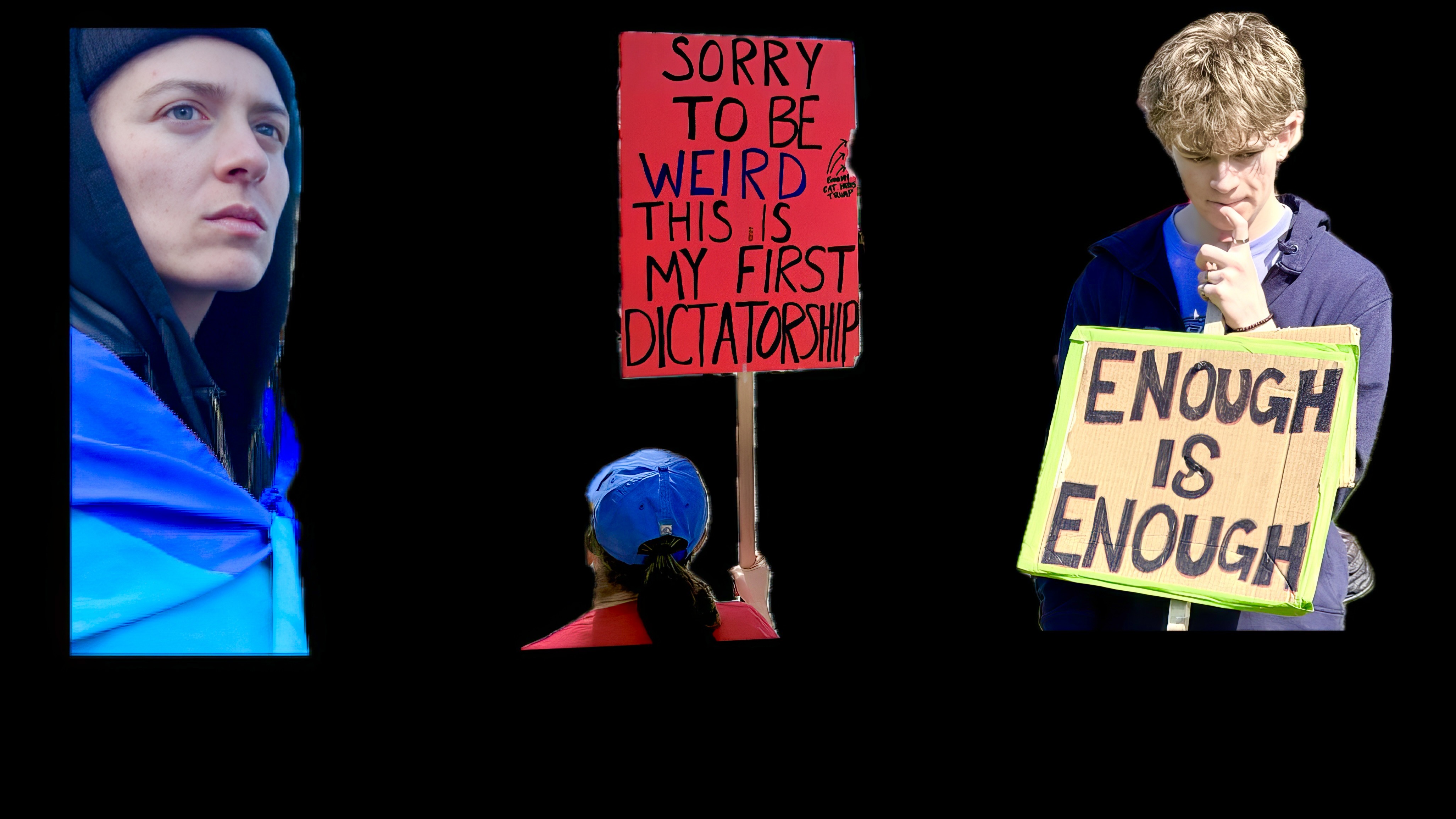
Americans are already voting; Election Day is almost here. Many of us are praying and working to end the atrocious Reign of Terror and Error. The polls are promising, but even a positive outcome is only the beginning of the patient work of repairing so much damage while shaping a more just and perfect future.
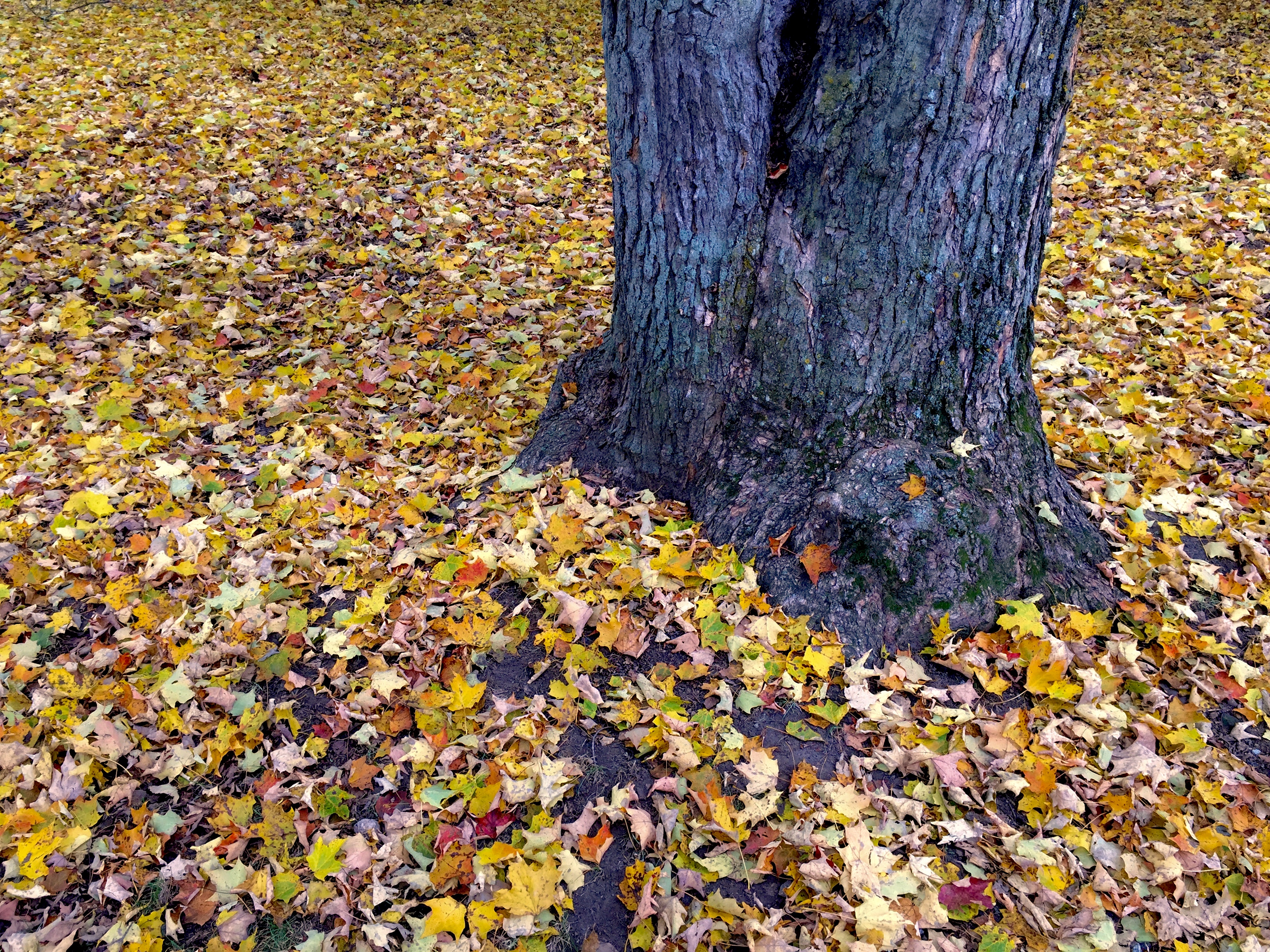
Can all men, together, avenge
one of the leaves that have fallen in autumn?
But the wise man avenges by building his city in snow.— Wallace Stevens
Hope is not blind. It accepts change. It understands loss as part of the process. And it knows winter to be the place where spring is conceived. May each and every one of us, dear reader, hold fast to hope, with our eyes on the prize, now and forever.
Mama, the autumn is deep.
Its pitch is only beginning, and will brighten
before the end. Brighten
into darkness,
or into spring.
— Pamela Steed [ii]
Previous Autumn posts
Falling Leaves and the Fate of Mortals
The Year Changing Its Mind — Embracing Impermanence at the Autumnal Equinox
The Joy of Letting Go — Spirituality in a Season of Change
[i] Rosanna Warren, “September Pitch,” q. in The Heart of Autumn: Poems for the Season of Reflection, ed. Robert Atwan
(Boston: Beacon Press, 2003), 13-14
[ii] Ibid. Pamela Steed’s poem is “September Pitch.”

